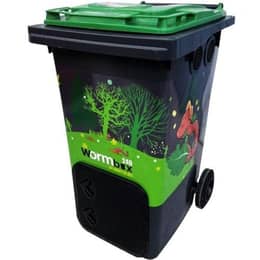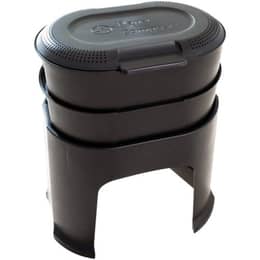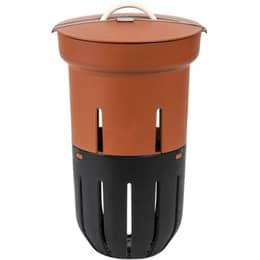
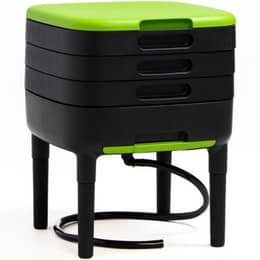
Wormery TinyWorm | 4 plastic feet
With or without wooden or plastic feet, 6 usable litres per tray
71,65 €
Fast and odourless, compost worms eat your waste and turn it into worm casting for your plants.

From 2 to 4 trays with optional planter.

Up to 18 growing zones with central wormery.

Terracotta with flower pot.

From 2 to 4 shelves with a low shelf.

Urbalive, Worm Cafe, WORMcube, Tiny Worm, WORMwood, ...

Turn your planters into a Wormery: WORMacotta, In-Ground.
From the kitchen to the garden, your compost becomes simple, quick, and effective for everyone.
Live animals (worms and bait) and products to feed and look after pets and farm animals.

Compost worms Eisenia for your wormery or worm compost bin.

Ultra-fresh worms: Compost, Dendros and Canadian from 100 g up to 1 kg.

Natural solutions dedicated to the well-being of horses, ponies, and donkeys.

Optimise the health and performance of your farm.

Mealworms, natural and nutritious supplements.
Enhance your home with our decorative items and care for your house in a natural and sustainable way.
Tend your garden in an eco-friendly and nature-conscious way, for healthy and lasting plantings.
EM-based products created to enrich soils, protect plants, support animal health, and make everyday well-being and maintenance easier.

Contains a blend of 80 families of beneficial microorganisms.

Revitalise, purify and improve water quality in all your applications.

Stimulate soil microbial activity and plant growth.

Cleanse and maintain your environment naturally.

For the well-being and health of pets, livestock, and horses.

Enrich your body or dietary routines with essential enzymes.
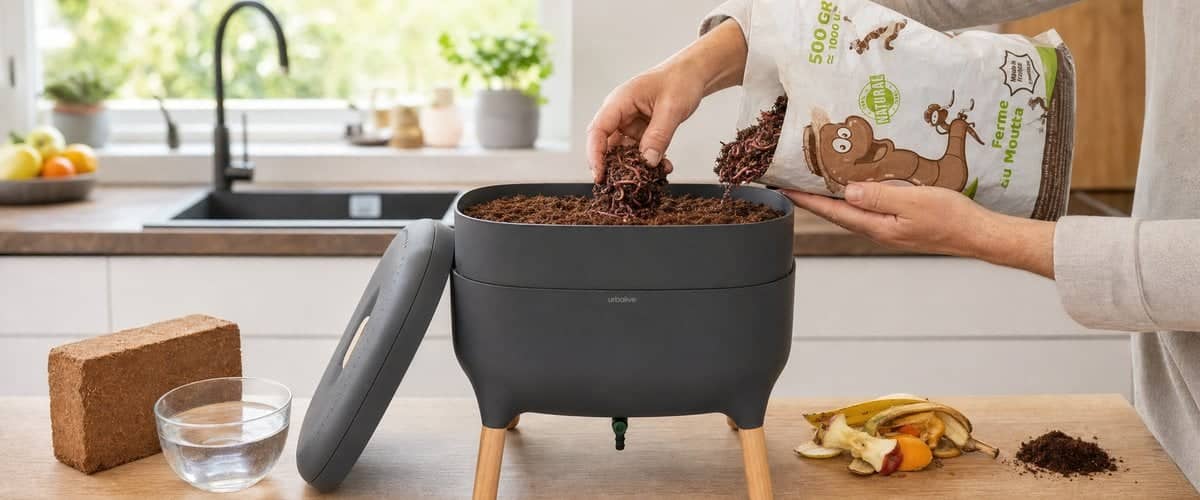
Getting your wormery off to a good start gives it the best possible chance of success. Location, bedding, patience in the first few days: here is everything you need to know for a successful start.
Compost worms work efficiently between 15 and 25 °C. Below 15 °C, their activity slows down; below 5 °C, they go into hibernation and stop breaking down material. Extreme temperatures — below 0 °C or above 45 °C — can be fatal to them. Your wormery can be placed indoors (utility room, stairwell, hallway, living room) or outdoors, depending on the space you have available, but you may sometimes need to move it with the seasons to keep conditions right. We cover protection from cold and heat in a dedicated guide.
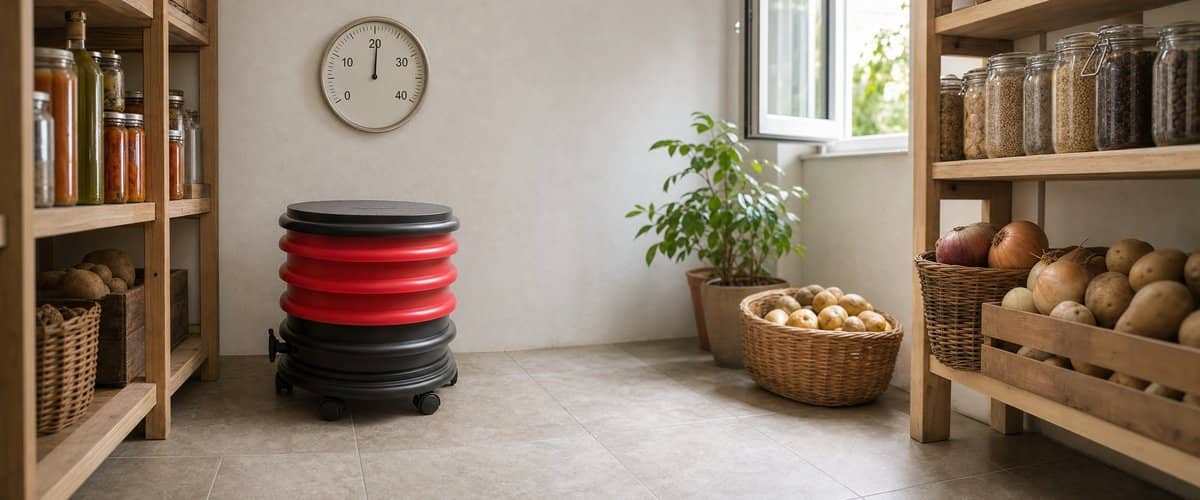
If it is set up outdoors, avoid direct sunlight (avoid a south-facing spot) and protect it from rain, which could drown your worms by getting in through the ventilation holes in the lid and raising the moisture level too quickly. Finally, make sure there is good air circulation in the room where it is kept: decomposition needs oxygen to work properly.
The bedding is your worms' living space at the start — and a first source of food. It needs to stay light, so that it is well aerated, while holding the moisture the worms need to survive.
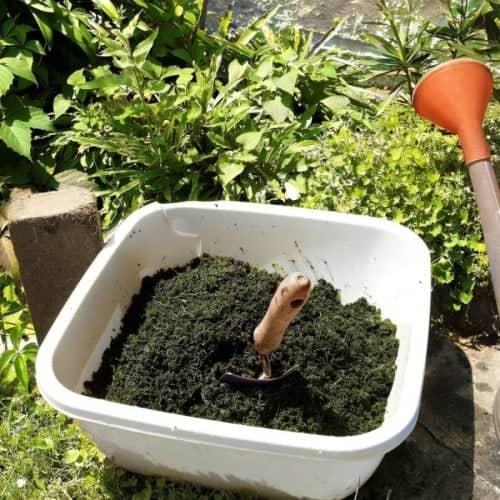 If your wormery comes with coconut fibre bedding, soak it in at least two litres of lukewarm water for 15 minutes, until it breaks apart. Crumble any pieces that are still compact and mix to get an even texture, as damp as a wrung-out sponge without being soaking wet. Pour half of it into the first tray, so that the tray is half full, and keep the other half: you will use it later as a source of carbon-rich material.
You can also make your own bedding from cardboard — for example, the packaging your wormery came in — cut into small pieces of 2 to 5 cm, filling half of your tray. Then spray it with water until you get the same wrung-out sponge texture.
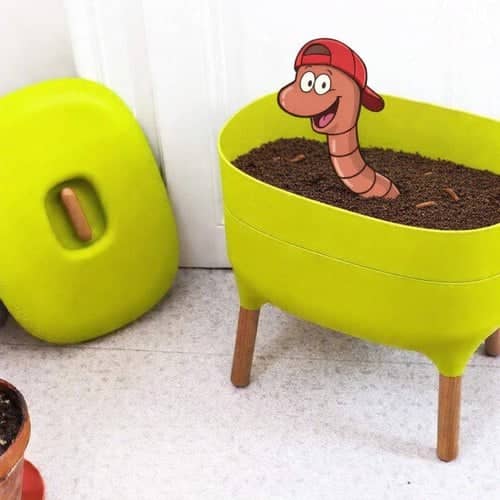 First place a piece of cardboard, cut to the shape of the tray, in the bottom of the first tray to stop the bedding falling into the compost tea collection tray. Add the damp bedding on top, filling the tray halfway, then tip in your worms. Leave the wormery open, without its lid, for around ten minutes: as they are sensitive to light, the worms will naturally burrow down into the bedding.
We recommend adding a handful of coffee grounds and a few fruit peelings right from the start: worms love sugar, and coffee grounds help counteract heavily chlorinated water. Then wait about a week before adding any more waste, to give your worms time to get used to their new surroundings. Don't worry: they won't starve, as the bedding and the substrate the worms were transported in already provide them with food during this settling-in period.
Willy's tipThe most common mistake beginners make is overfeeding the wormery right from the start. Worms eat around half their body weight a day: check whether the worms have already eaten the last waste you added before giving them more.
Once the first week has passed, you can start feeding your worms — gradually. Start with a small amount, around a handful of waste spread over the surface of the bedding, rather than putting it all in one spot. Before each new addition, check how the previous one is doing: if the waste has disappeared or is well on its way, you can add a little more next time; if there is still a lot left, wait a few more days before adding more.
The worm population grows over the months, which will allow you to increase the amount of waste you add accordingly, almost naturally. It is better to slightly underfeed at the start than to overload the system with too much fresh waste, which could cause the bedding to ferment and become unbalanced before the worm population has had time to catch up. It is normal for a wormery to get going slowly: it builds up speed over several weeks, not a few days. Worms are generally considered to reach their full population after 5 to 7 months, depending on the size of your wormery.
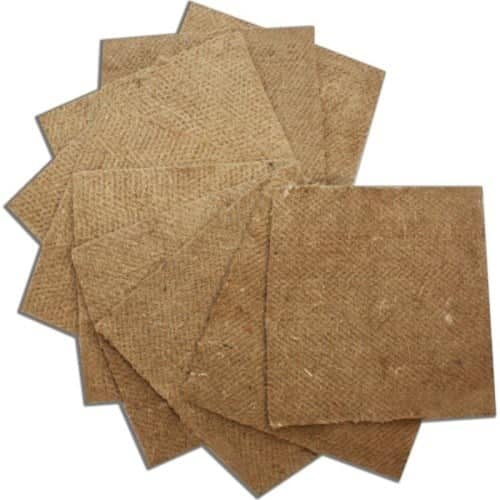 Placed under the lid, directly on top of the freshest waste, the moisture mat serves two practical purposes: it keeps the surface moist while letting air circulate — giving the worms the feeling of being just below the soil surface, as in nature — and it limits fruit flies' access to the fresh waste. There is no need to dampen it at the start: it naturally absorbs moisture from contact with the waste.
Several materials are suitable: plain brown cardboard, which is free and easy to cut to the size of the tray but needs replacing often; hemp fibre, often supplied with shop-bought wormeries, to be changed every two to three months; hessian, which lasts longer; or an old cotton fabric (floor cloth, T-shirt), provided it contains no detergent or synthetic products. Once it has broken down well, you can crumble the mat and mix it into the waste: it will then act as a source of carbon-rich material.
Did you know?A moisture mat is nothing more than a miniature forest-floor litter: it makes the worms believe they are still just below the surface, where they feel most at home.
Your wormery is ready to get going. To find out exactly what to feed it — and what is best avoided — head to our guide What do earthworms eat? If you don't have your worms yet, first read our guide Which type of worms should you use in your wormery?