Wormery WORMacotta | 1.1L Jar
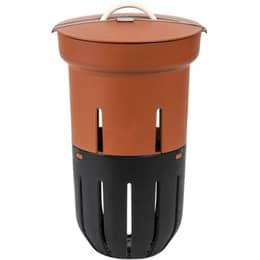
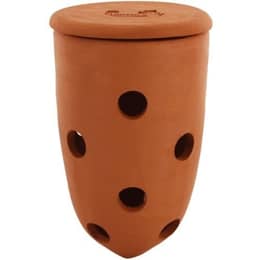
Terracotta compost bin, from 1.1 to 6.5 litres
30,65 €
Fast and odourless, compost worms eat your waste and turn it into worm casting for your plants.

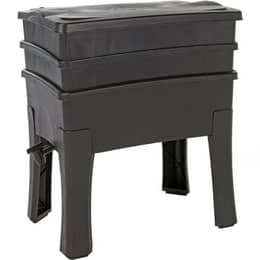
From 2 to 4 trays with optional planter.

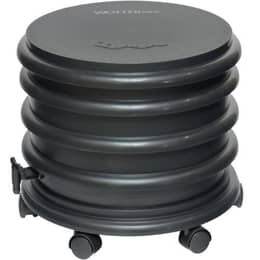
Up to 18 growing zones with central wormery.

Terracotta with flower pot.

From 2 to 4 shelves with a low shelf.

Urbalive, Worm Cafe, WORMcube, Tiny Worm, WORMwood, ...

Turn your planters into a Wormery: WORMacotta, In-Ground.
From the kitchen to the garden, your compost becomes simple, quick, and effective for everyone.
Live animals (worms and bait) and products to feed and look after pets and farm animals.

Compost worms Eisenia for your wormery or worm compost bin.

Ultra-fresh worms: Compost, Dendros and Canadian from 100 g up to 1 kg.

Natural solutions dedicated to the well-being of horses, ponies, and donkeys.

Optimise the health and performance of your farm.

Mealworms, natural and nutritious supplements.
Enhance your home with our decorative items and care for your house in a natural and sustainable way.
Tend your garden in an eco-friendly and nature-conscious way, for healthy and lasting plantings.
EM-based products created to enrich soils, protect plants, support animal health, and make everyday well-being and maintenance easier.

Contains a blend of 80 families of beneficial microorganisms.

Revitalise, purify and improve water quality in all your applications.

Stimulate soil microbial activity and plant growth.

Cleanse and maintain your environment naturally.

For the well-being and health of pets, livestock, and horses.

Enrich your body or dietary routines with essential enzymes.

Your wormery doesn't need a perfect spot, but rather one that suits your home and your daily routine. Kitchen, cellar, garage, utility room: each room has its advantages and its small precautions. Here's everything you need to know, room by room.
Before choosing one room over another, bear in mind three things your worms need: a stable temperature, good air circulation, and easy access for you — you'll be adding waste several times a week, so it might as well not be a chore. We go into the exact temperature thresholds in our guide How to start your wormery
Willy's tipIf your wormery is set up far from the kitchen (cellar, garage...), keep a compost caddy in your kitchen and empty it just twice a week, rather than after every peeling. Remember to add your fruit and vegetable scraps straight into it along with the carbon-rich material (cardboard, paper towels...): this stops the caddy from getting too wet and the waste from starting to break down before it even reaches the wormery. Once in the wormery, your worms can then eat this waste straight away.
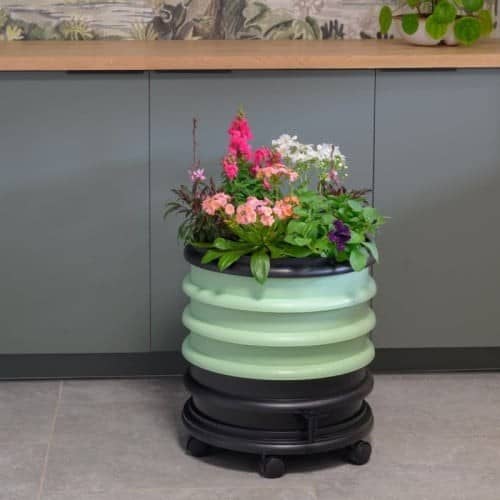 This is often the most practical spot: it's where most of your organic waste is produced, so there's no need to cross the house with every peeling. It's also an advantage in that you have a front-row seat to check that all is going well, and to spot any imbalance straight away — don't worry, a well-maintained wormery only gives off a faint, barely noticeable smell of woodland floor.
An excellent compromise for many households: close enough to the kitchen to stay practical, while remaining away from your living spaces. These rooms are generally well ventilated and at a fairly stable temperature, two conditions that suit your worms well.
If you have one, a cellar offers a real advantage: its temperature stays stable all year round, cooler in summer and rarely freezing in winter — ideal conditions for your worms. The main drawback is having to go downstairs each time you add waste — see our tip above to cut down on trips. Also remember to check that there's enough air circulation; a damp, poorly ventilated cellar isn't ideal.
A well-ventilated garage is a perfectly acceptable location, provided it doesn't freeze in winter where you live. It has the advantage of staying in the shade during hot spells. If your garage isn't insulated and temperatures there become extreme in both winter and summer, it's best to plan on moving your wormery with the seasons.
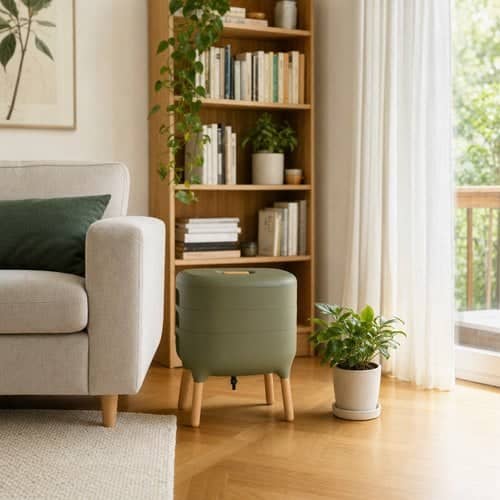 These spots are also suitable, provided you ensure good air circulation. Some households even go as far as choosing a nicely designed model to display it proudly in a living space rather than hide it away — it's above all a matter of taste.
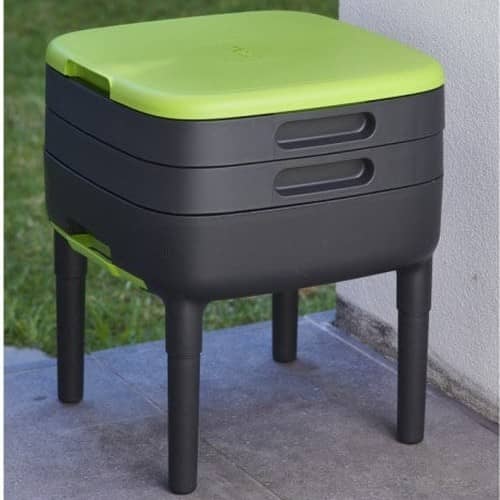 That's also possible, with a few extra precautions regarding rain and temperature swings. We cover this option in detail, along with the particular case of a flat without a garden, in our guide Wormery for flats
Whatever location you choose, avoid putting your wormery in a completely enclosed space with no ventilation, such as a cupboard, especially in hot weather: without air circulation, unpleasant smells can quickly develop.
There isn't just one right spot, but several: the kitchen for convenience, the utility room or laundry room for balance, the cellar for stability, the garage for natural ventilation. What really matters is that the chosen spot stays ventilated, at a reasonable temperature, and easy for you to reach day to day.