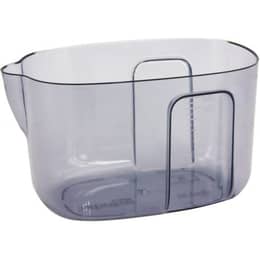
Juice collector for wormery
One-litre capacity with ergonomic pouring spout and measuring scale
3,23 €
-30%
Fast and odourless, compost worms eat your waste and turn it into worm casting for your plants.

From 2 to 4 trays with optional planter.

Up to 18 growing zones with central wormery.

Terracotta with flower pot.

From 2 to 4 shelves with a low shelf.

Urbalive, Worm Cafe, WORMcube, Tiny Worm, WORMwood, ...

Turn your planters into a Wormery: WORMacotta, In-Ground.
From the kitchen to the garden, your compost becomes simple, quick, and effective for everyone.
Live animals (worms and bait) and products to feed and look after pets and farm animals.

Compost worms Eisenia for your wormery or worm compost bin.

Ultra-fresh worms: Compost, Dendros and Canadian from 100 g up to 1 kg.

Natural solutions dedicated to the well-being of horses, ponies, and donkeys.

Optimise the health and performance of your farm.

Mealworms, natural and nutritious supplements.
Enhance your home with our decorative items and care for your house in a natural and sustainable way.
Tend your garden in an eco-friendly and nature-conscious way, for healthy and lasting plantings.
EM-based products created to enrich soils, protect plants, support animal health, and make everyday well-being and maintenance easier.

Contains a blend of 80 families of beneficial microorganisms.

Revitalise, purify and improve water quality in all your applications.

Stimulate soil microbial activity and plant growth.

Cleanse and maintain your environment naturally.

For the well-being and health of pets, livestock, and horses.

Enrich your body or dietary routines with essential enzymes.
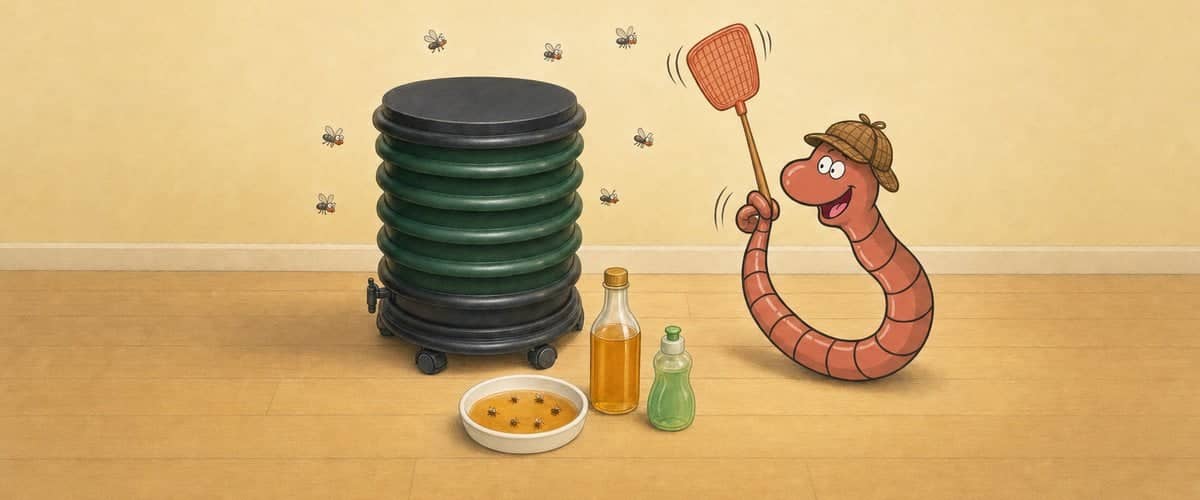
Unlike the little creatures we describe in our guide The other inhabitants of the wormery, some organisms do call for real action on your part. The good news: most of them share the same cause — too much acidity or moisture — and can therefore be dealt with using the same simple steps.
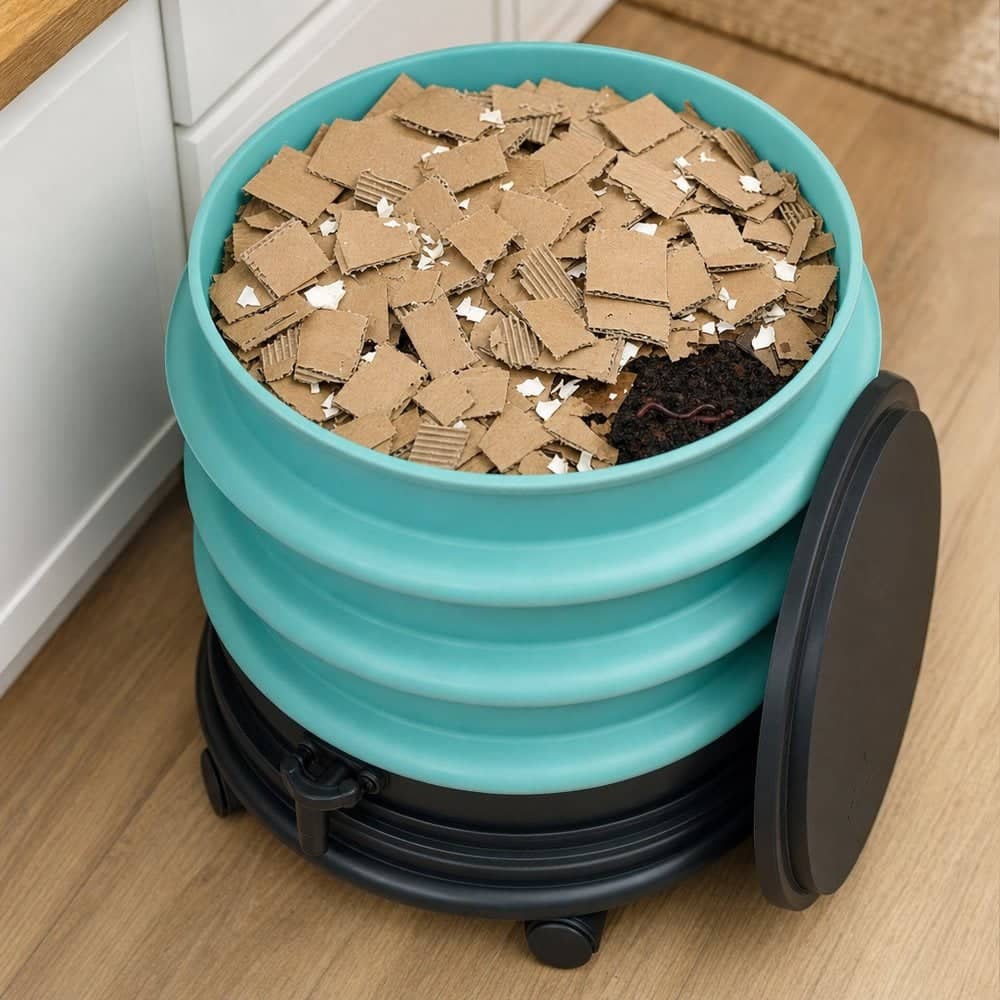 This is by far the most common problem in vermicomposting. The first thing to understand is that fruit flies do not come because you have a wormery. They are already buzzing around your fresh fruit bowls or houseplants — it is only if your wormery becomes welcoming to them (an environment that is too acidic or too wet) that they choose to settle in it. Keeping the right acidity/moisture balance therefore remains the best prevention.
As soon as a dozen or so fruit flies start coming out of the wormery, take action rather than waiting for things to get worse:
Willy's tipIf your wormery is outdoors or the summer weather allows, leave the lid open for 2 to 3 days, even overnight, to let as many adult fruit flies as possible escape, then apply the cardboard barrier to stop them coming back.
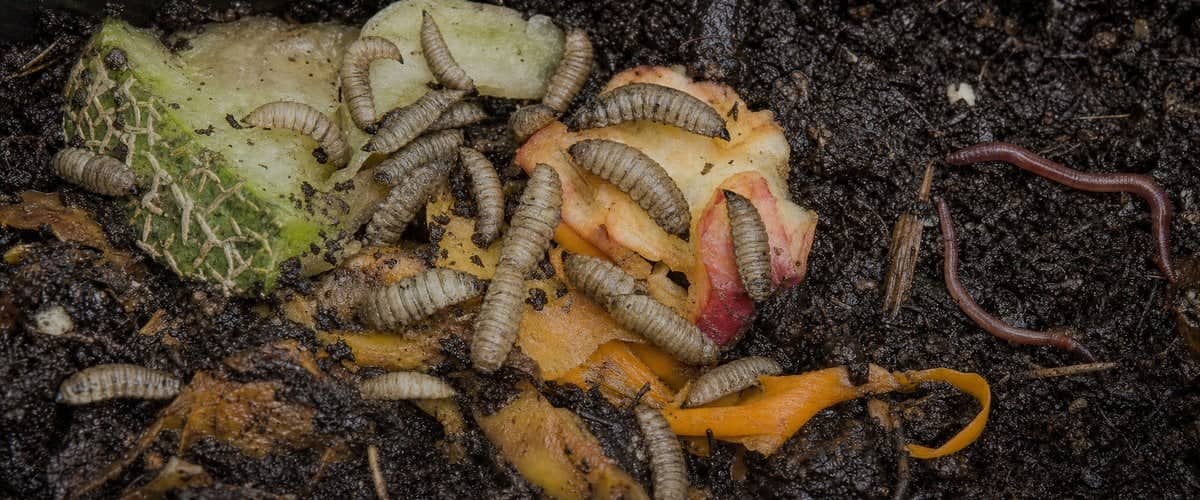
Under the same conditions as fruit flies — exposed fresh scraps, an environment that is too acidic or too wet — you may also see black soldier fly larvae appear: larger (up to 2 cm), greyish and far more visible than fruit fly maggots. Rest assured, they do not attack your worms, but they can compete with them by quickly devouring large quantities of scraps. Being a good size, they are easy to remove by hand; then follow the same steps as for fruit flies (cardboard, a break from feeding) to stop them returning.
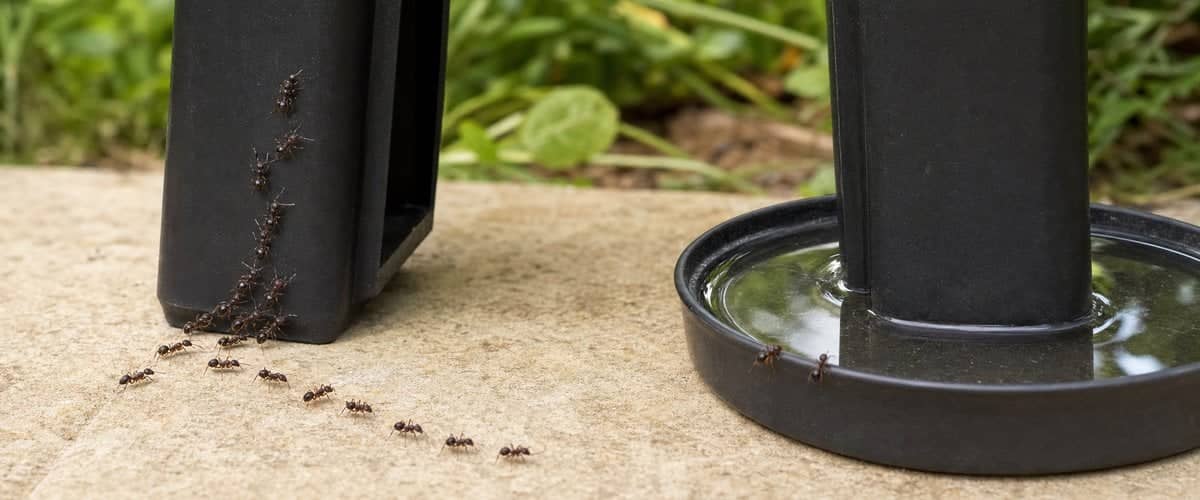
This is the opposite of all the previous visitors: ants in your wormery, most often one kept outdoors, usually signal an environment that has become too dry rather than too wet, as ants are drawn by sweet food and in search of moisture. The solution is purely physical and needs no products: place a small container of water under each leg of your wormery, or coat the legs with petroleum jelly — the ants will no longer be able to get in. Indoors, the problem is rare.
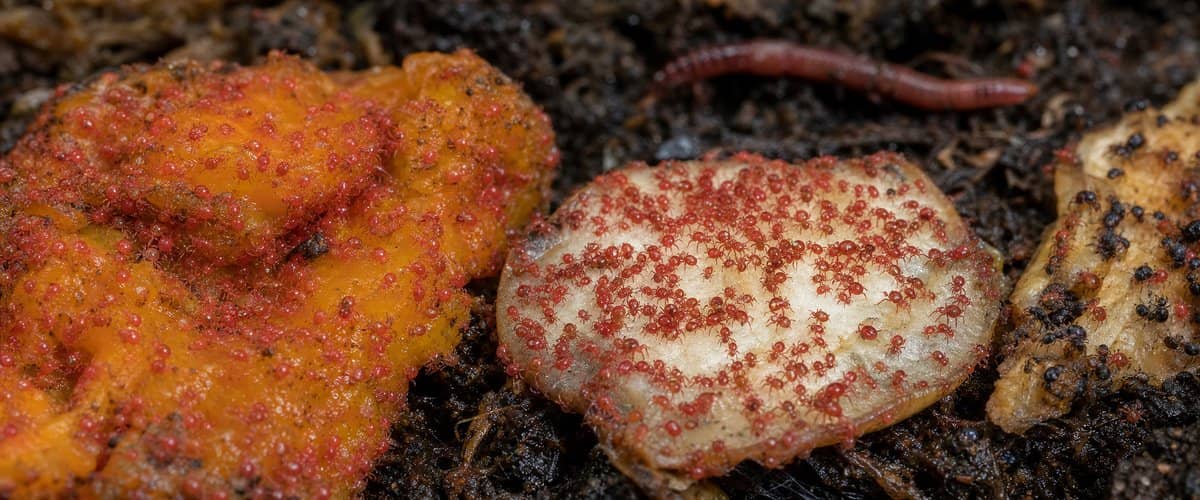
You may call them spiders, but they are in fact mites, red or black depending on the species — nothing to do with the harmless mites in our guide to helpful little creatures. These can literally cover the food when the environment is too wet or too acidic, to the point that your worms refuse to eat. If you notice an unusual concentration of them, remove the infested food and leave the lid open for a few days to dry out the bedding: this is usually enough to make them disappear.
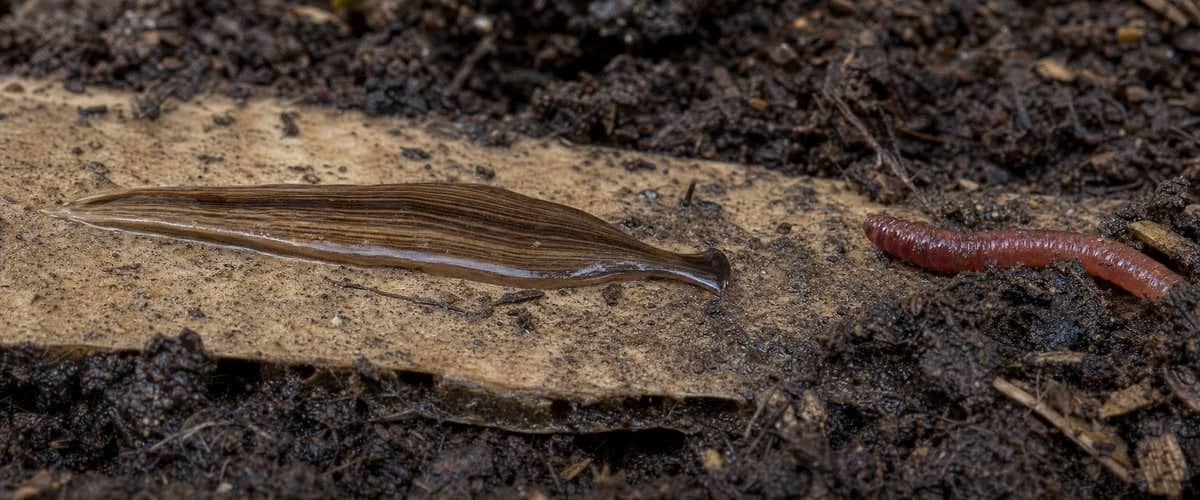
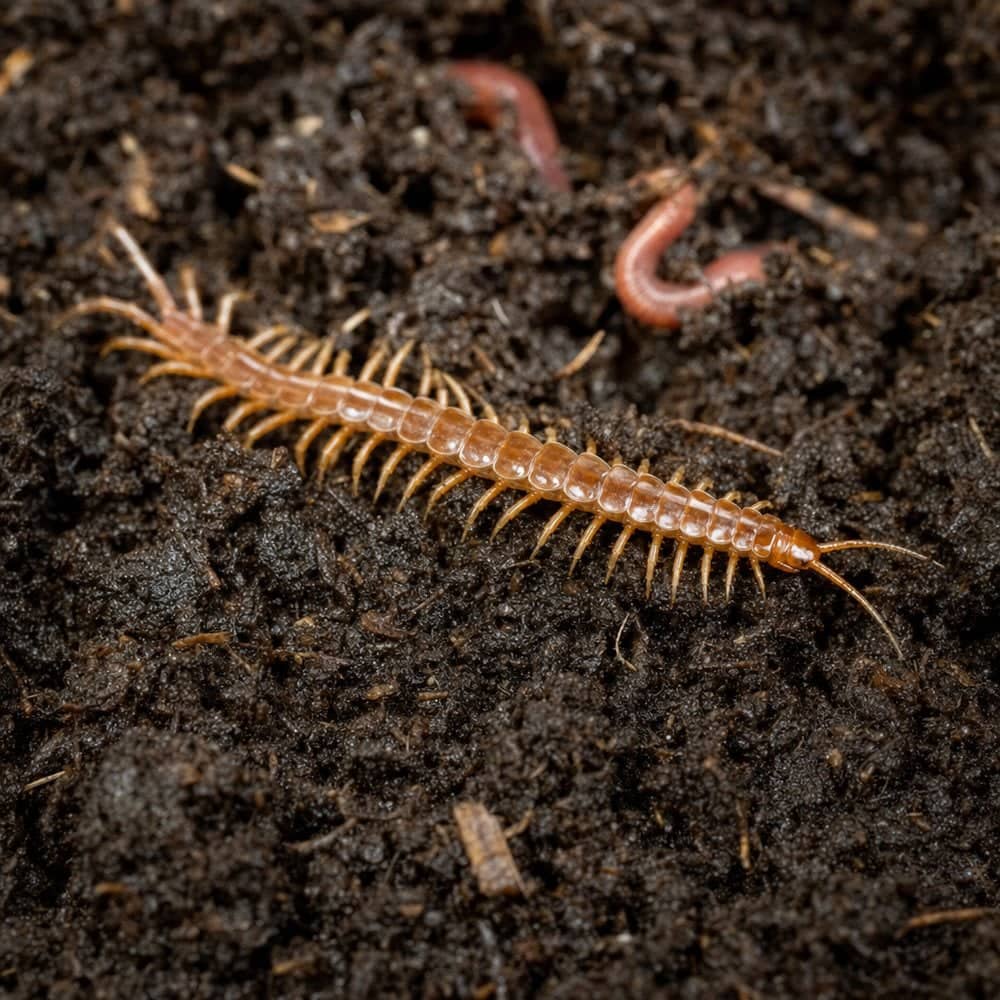 Two occasional visitors do attack your worms directly — but they remain rare in a well-kept wormery. The centipede, flat with one pair of legs per segment (not to be confused with the harmless millipede, see our guide to helpful little creatures), is a predator that you simply need to remove by hand if you come across one. Predatory flatworms, which digest their prey through their skin, are rarer still: if you spot one, it is best to remove it by hand as soon as possible rather than wait for it to multiply.
Snails, slugs or small rodents, for their part, rarely find their way into a wormery started with shredded paper or cardboard bedding — they are far more attracted to a traditional outdoor compost heap. If you do come across any, simply removing them by hand is enough; for rodents in particular, the best preventive habit is never to put meat or bones in your wormery (see our guide What earthworms eat), which is the basic rule in any case.
The vast majority of wormery pests can be dealt with using two opposite but complementary approaches: rebalance the acidity and dry out the environment with cardboard when there is too much moisture (fruit flies, black soldier fly larvae, red mites), or, conversely, restrict access with a physical barrier when the problem comes from an environment that is too dry (ants). Keep an eye on your wormery, act at the first signs, and these unwanted visitors will remain the exception rather than the rule.