










Best Seller
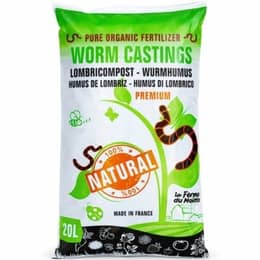
Vermicompost, Worm casting | 13L Bag
Produced from the digestion of organic matter by earthworms.
10,22 €
Fast and odourless, compost worms eat your waste and turn it into worm casting for your plants.

From 2 to 4 trays with optional planter.

Up to 18 growing zones with central wormery.

Terracotta with flower pot.

From 2 to 4 shelves with a low shelf.

Urbalive, Worm Cafe, WORMcube, Tiny Worm, WORMwood, ...

Turn your planters into a Wormery: WORMacotta, In-Ground.
From the kitchen to the garden, your compost becomes simple, quick, and effective for everyone.
Live animals (worms and bait) and products to feed and look after pets and farm animals.

Compost worms Eisenia for your wormery or worm compost bin.

Ultra-fresh worms: Compost, Dendros and Canadian from 100 g up to 1 kg.

Natural solutions dedicated to the well-being of horses, ponies, and donkeys.

Optimise the health and performance of your farm.

Mealworms, natural and nutritious supplements.
Enhance your home with our decorative items and care for your house in a natural and sustainable way.
Tend your garden in an eco-friendly and nature-conscious way, for healthy and lasting plantings.
EM-based products created to enrich soils, protect plants, support animal health, and make everyday well-being and maintenance easier.

Contains a blend of 80 families of beneficial microorganisms.

Revitalise, purify and improve water quality in all your applications.

Stimulate soil microbial activity and plant growth.

Cleanse and maintain your environment naturally.

For the well-being and health of pets, livestock, and horses.

Enrich your body or dietary routines with essential enzymes.
After several months of loyal service, your wormery rewards you with two quite distinct fertilisers: vermicompost, the dark brown material produced by your worms, and compost tea, a liquid fertiliser collected separately. Here's how to recognise the right moment to harvest each of them, and how to go about it without losing your worms along the way.
The signal is unmistakable: when you have no empty tray left to add and your active tray, the one at the top, is three-quarters full, it's time to harvest. For a first complete cycle, allow generally between 3 and 6 months, while your worm population settles in. Once you've reached your cruising pace, subsequent harvests come round more regularly, roughly every 1 to 2 months depending on the amount of waste you add and how much maintenance you're willing to put in.
It's also a good moment to check that you have the right number of trays for your household: if not all the waste in the tray you're harvesting has been fully broken down, it's a sign that you're one tray short. We go into this in more detail in our guide The stacking tray wormery
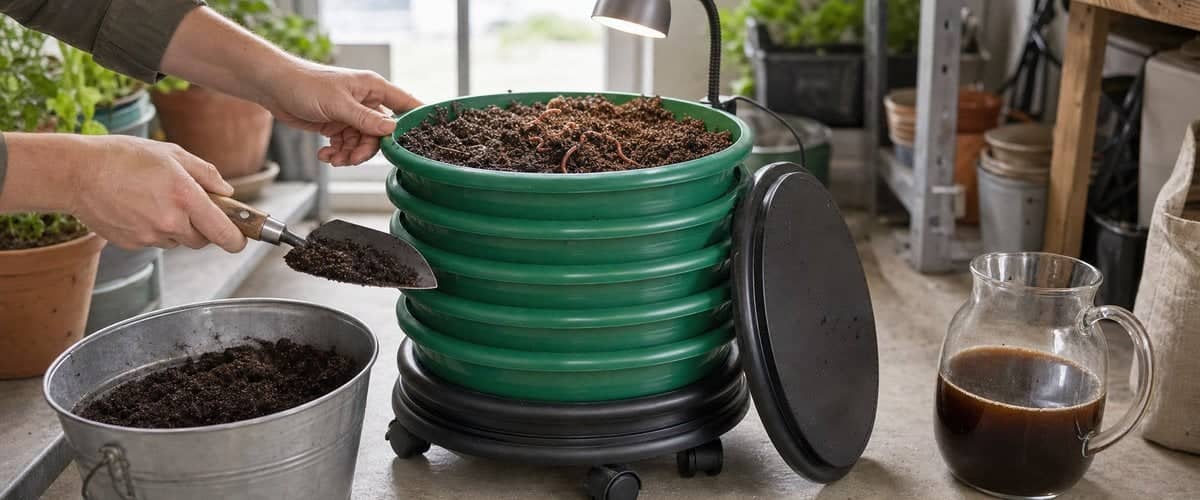
The tray to harvest is always the same one: the one at the very bottom, the oldest in the stack. It should be full of vermicompost, even if a few worms are still moving around in it.
Work by rotation: take out this bottom tray and place it at the very top of the stack, without putting the lid back on, under a light source. As they are sensitive to light, your worms will naturally head down to take refuge in the darker trays just below.
Willy's tipScrape off the vermicompost in thin layers of 1 to 2 cm and empty them into a bucket or container. Wait 5 minutes for the remaining worms to carry on moving down, then repeat until the tray is empty.
Once the tray is empty, rinse it with water before putting it back on your wormery. Take the opportunity to empty and clean your sump: if your model has no filter between the sump and the first tray, you'll often find a little precious vermicompost in it, carried down by the worms that make their way to the bottom.
With a single bin, the rotation approach doesn't work in quite the same way. Two methods work well: lay fresh bedding on just one side of the bin and put your next waste there, so that the worms migrate of their own accord towards this new food source within a few weeks; or spread the contents of the bin into several small heaps under a bright light, then scrape each heap in thin layers, letting the worms gather in the centre, away from the light. If you use a continuous flow wormery, harvesting works differently, from the bottom: we go into this in more detail in our guide The continuous flow wormery
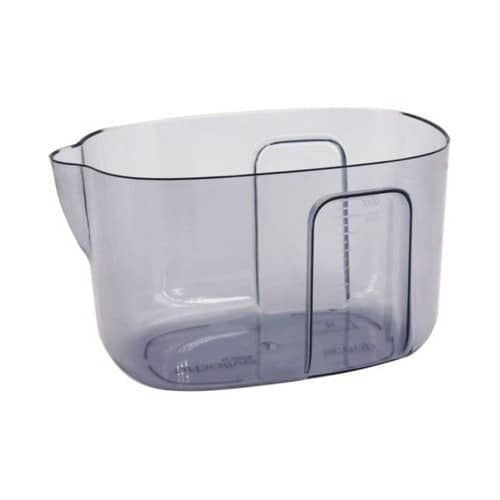 Compost tea — also known as worm tea, leachate or compost juice — forms when your fruit and vegetables release the water they contain: this liquid trickles through the trays, picking up vermicompost on the way, and ends up in your sump. Allow around 2 to 3 months before you get your first compost tea. You can then collect it via the tap or drainage pipe, depending on your model. If yours doesn't have a spout, our Liquid collector makes harvesting easier.
Bear in mind that the less compost tea you produce, the better: it's a sign that you're adding enough carbon-rich materials, which absorb excess moisture — we cover these additions in more detail in our guide What do earthworms eat?
Willy's tipLeave your tap open at all times, with a container placed underneath. This prevents excess moisture building up in your wormery, and avoids the risk of worms that have fallen in by accident drowning.
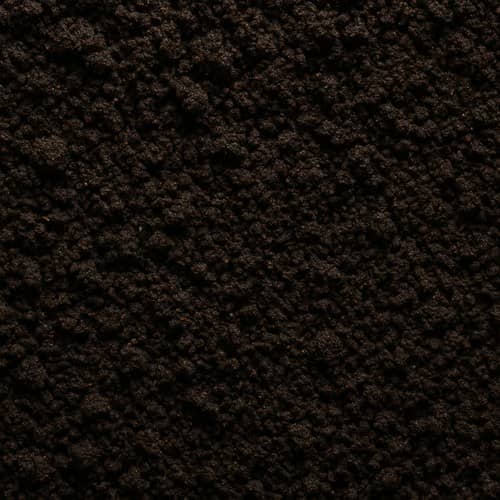 Vermicompost is around 10 times more potent than ordinary compost — as we mentioned in our guide Wormery or traditional composter: which should you choose? It should therefore be used in small doses: allow 30% vermicompost to 70% potting compost. Rich in humus and micro-organisms, it encourages the germination, fertilisation and growth of your plants, flowers, vegetables and fruit. Stored properly, it keeps for up to 2 years.
Willy's tipSieve a 1 to 2 cm layer of vermicompost over the top of your flowerpots: the fertiliser will reach the roots each time you water, for several weeks.
Compost tea is used diluted: allow 1 part compost tea to 9 parts water in your watering can, then water your plants as usual. Keep it for no more than 3 months, in a bottle that isn't tightly sealed — the active bacteria it contains need oxygen to remain effective. Before use, remember to shake the bottle (with the cap on this time) to re-oxygenate it.
Harvest time is also the best time to clean your wormery and extend its lifespan: rinse your trays and sump with water before putting them back into use. If possible, save the water used for cleaning — it will make an excellent drink for your plants.
The signal is simple: no empty tray left and the active tray three-quarters full means it's time to harvest. A tray rotation and a few scraped layers of vermicompost are all it takes to separate your worms from their harvest, while the compost tea drips out separately through the tap. Dosed correctly — 30% for vermicompost, diluted to 10% for compost tea — each of these two fertilisers will feed your plants without ever burning them.


