










Best Seller
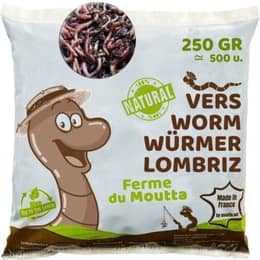
Compost worms Eisenia | 250 g of worms (approx. 500 pcs)
Packaging from 250 g to 10 kg of worms
15,40 €
-25%
Fast and odourless, compost worms eat your waste and turn it into worm casting for your plants.

From 2 to 4 trays with optional planter.

Up to 18 growing zones with central wormery.

Terracotta with flower pot.

From 2 to 4 shelves with a low shelf.

Urbalive, Worm Cafe, WORMcube, Tiny Worm, WORMwood, ...

Turn your planters into a Wormery: WORMacotta, In-Ground.
From the kitchen to the garden, your compost becomes simple, quick, and effective for everyone.
Live animals (worms and bait) and products to feed and look after pets and farm animals.

Compost worms Eisenia for your wormery or worm compost bin.

Ultra-fresh worms: Compost, Dendros and Canadian from 100 g up to 1 kg.

Natural solutions dedicated to the well-being of horses, ponies, and donkeys.

Optimise the health and performance of your farm.

Mealworms, natural and nutritious supplements.
Enhance your home with our decorative items and care for your house in a natural and sustainable way.
Tend your garden in an eco-friendly and nature-conscious way, for healthy and lasting plantings.
EM-based products created to enrich soils, protect plants, support animal health, and make everyday well-being and maintenance easier.

Contains a blend of 80 families of beneficial microorganisms.

Revitalise, purify and improve water quality in all your applications.

Stimulate soil microbial activity and plant growth.

Cleanse and maintain your environment naturally.

For the well-being and health of pets, livestock, and horses.

Enrich your body or dietary routines with essential enzymes.
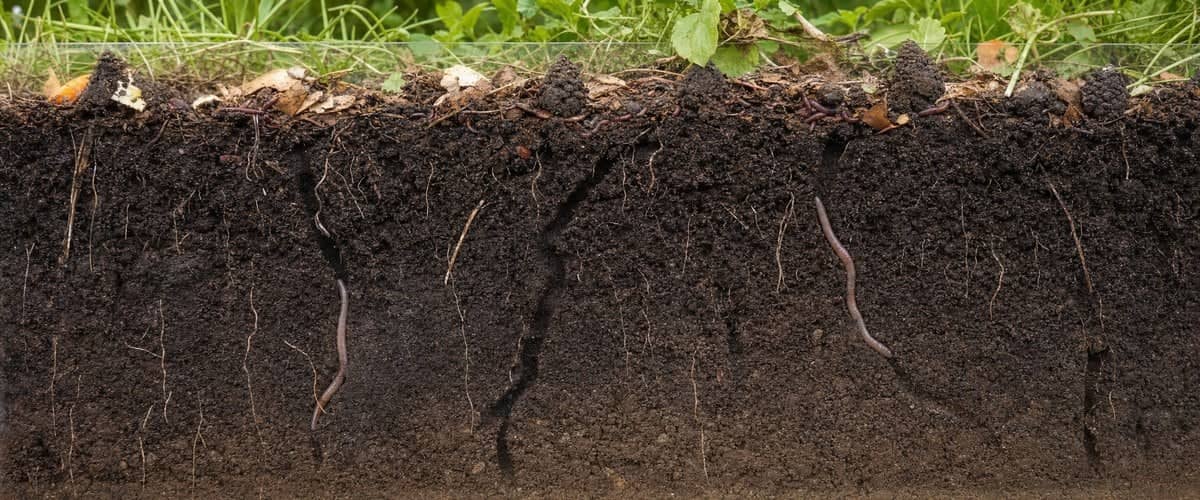
Earthworms are becoming increasingly rare in gardens, killed outright by chemical weedkillers and fertilisers — even though they play a major role in fertilising and regenerating the soil, transforming organic matter so that plants can take it up. Before household waste collection became widespread, every home composted its waste at the bottom of the garden, naturally sustaining this population. For almost 15 years, Moutta Farm has been helping individuals and professionals to recolonise soils that have become poor in worms.
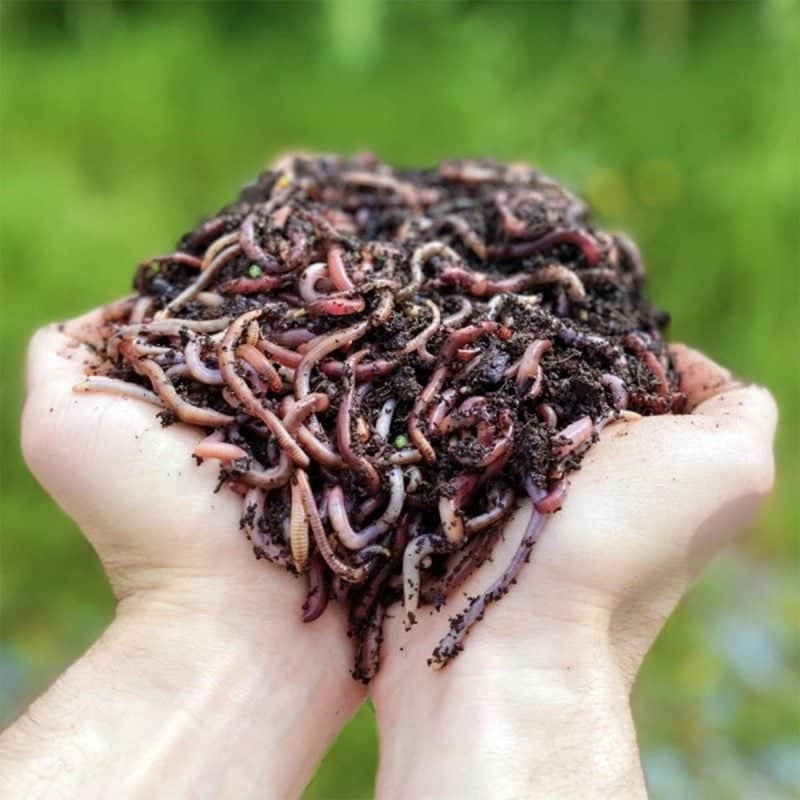 Only epigeic worms — compost worms — can be bred and sold for this purpose. Their role is to transform organic matter by mineralising it, so that your plants can absorb it easily. In practice, however, their presence attracts a second type: endogeic worms, which aerate the soil by digging burrows between the deeper layers and the surface. They improve drainage during heavy rain and bring up the minerals your plants need through their casts — those little cone-shaped mounds you can see on the surface.
Our worms are specially selected for reintroduction into open ground: a species that withstands temperature swings, heat and drought. Our customers regularly confirm it: a few months after introducing them, they find far more worms in their garden than before.
If you already have an outdoor composter, there is one simple condition: it must have no base, so that the worms are in direct contact with the soil. Add 1 to 2 kg of worms per m³: the population then doubles every 3 to 4 months. For a large garden or vegetable plot, it is better to set up several composting points spaced around fifteen metres apart rather than a single spot.
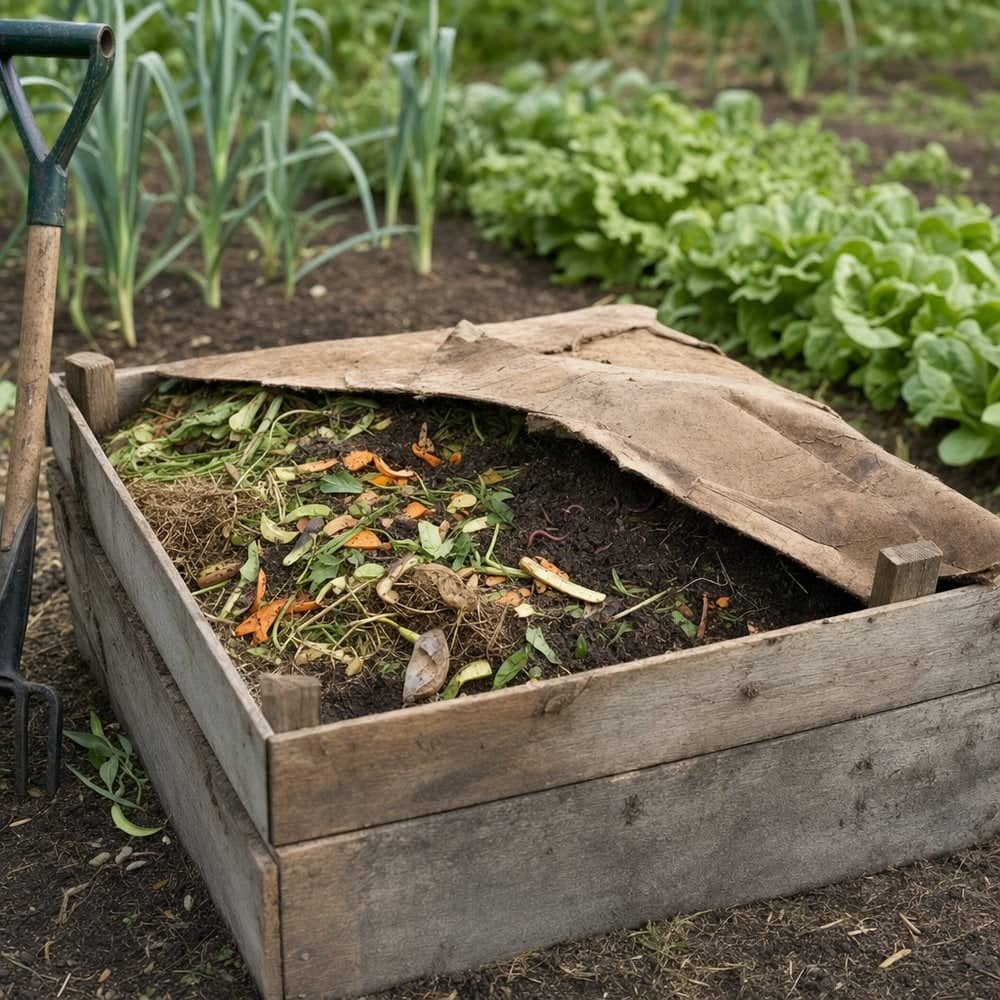 No composter? A simple bottomless wooden frame does the job perfectly well — reclaimed planks are enough, for a square of at least 1 m² and 50 to 60 cm high. Line the bottom with a 20 cm layer of starter bedding (a blend of peats), pre-moistened at a rate of 10 L of water per 50 L of bedding — mix by hand in a basin for an even result. Add your worms (at least 1 kg per m²), then cover with a good thick layer of fresh organic matter: kitchen scraps, manure, fresh grass clippings... If your frame has no lid, an old tarpaulin or some cardboard is enough to retain moisture and shield the worms from light, to which they are sensitive.
Willy's tipPlace your frame wherever you like in the garden: the worms will colonise the rest of the ground on their own from this point. Simply keep adding fresh matter regularly to sustain the population — with each round of breeding, some of the worms move on to new areas where they find food.
Third option: an in-ground wormery, installed directly in a flower bed or raised vegetable bed. We explain how it works and present our models in the dedicated guide.
While you are at it, check the acidity of your lawn or vegetable garden. An overly acidic lawn is less able to resist moss and weeds: a denser, healthier lawn simply leaves them less room to take hold.
An existing outdoor composter, a home-made composting point or an in-ground wormery: several simple solutions let you reintroduce worms into your garden for the long term, for livelier soil and healthier plants.


