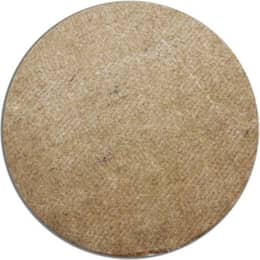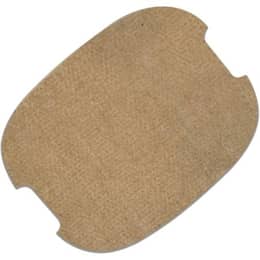

Hemp mat / XXL humidification mattress
Size 110 x 110 cm, to be cut to shape
8,25 €
Fast and odourless, compost worms eat your waste and turn it into worm casting for your plants.

From 2 to 4 trays with optional planter.

Up to 18 growing zones with central wormery.

Terracotta with flower pot.

From 2 to 4 shelves with a low shelf.

Urbalive, Worm Cafe, WORMcube, Tiny Worm, WORMwood, ...

Turn your planters into a Wormery: WORMacotta, In-Ground.
From the kitchen to the garden, your compost becomes simple, quick, and effective for everyone.
Live animals (worms and bait) and products to feed and look after pets and farm animals.

Compost worms Eisenia for your wormery or worm compost bin.

Ultra-fresh worms: Compost, Dendros and Canadian from 100 g up to 1 kg.

Natural solutions dedicated to the well-being of horses, ponies, and donkeys.

Optimise the health and performance of your farm.

Mealworms, natural and nutritious supplements.
Enhance your home with our decorative items and care for your house in a natural and sustainable way.
Tend your garden in an eco-friendly and nature-conscious way, for healthy and lasting plantings.
EM-based products created to enrich soils, protect plants, support animal health, and make everyday well-being and maintenance easier.

Contains a blend of 80 families of beneficial microorganisms.

Revitalise, purify and improve water quality in all your applications.

Stimulate soil microbial activity and plant growth.

Cleanse and maintain your environment naturally.

For the well-being and health of pets, livestock, and horses.

Enrich your body or dietary routines with essential enzymes.
Your compost worms are living creatures: unlike a garden compost heap, which barely notices the seasons, your wormery needs a little attention when the thermometer goes haywire, in either direction. Don't worry, the right habits are simple. Here is how to protect your worms from the cold in winter and from the heat in summer.
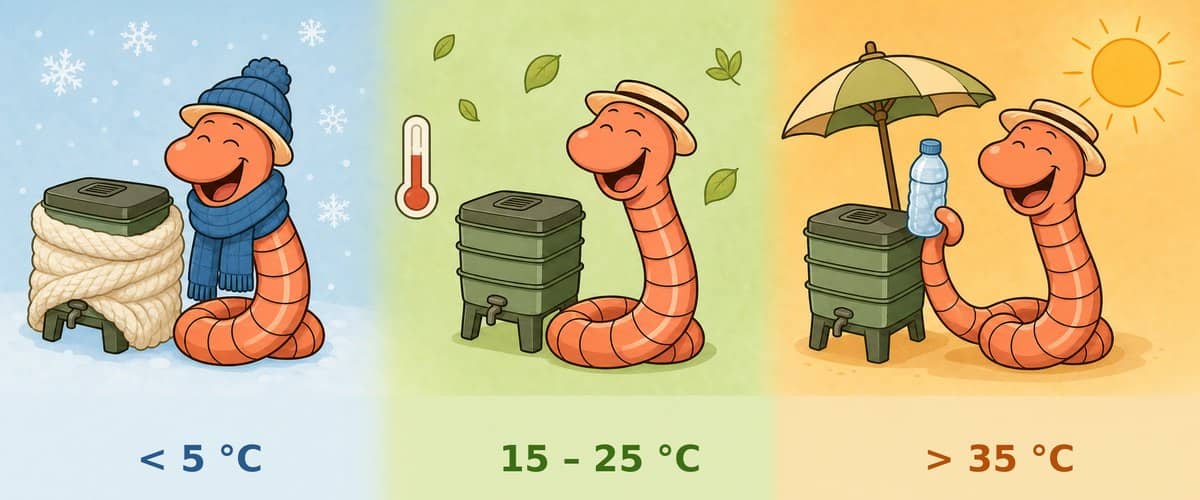
Your worms work and breed best between 15 and 25 °C. Below 15 °C, their activity gradually slows; below 5 °C, they go into hibernation and stop processing material. The real danger begins below 0 °C, where frost becomes fatal. At the warm end, keep an eye on things and moisten the bedding from 35 °C if it dries out, with the real danger starting above 45 °C. Between these two extremes, your worms adapt: what you should mainly try to avoid is a sudden, sharp change, rather than the temperature itself.
 The best approach is still to choose the right spot from the outset: a wormery kept indoors (kitchen, utility room, cellar, insulated garage...) gets through winter without any particular difficulty. We cover every possible location in our guide Where to put your wormery
Good news: a well-set-up wormery copes with the cold better than you might think. Your worms, especially when there are plenty of them, along with the fermentation of their waste, give off a little heat themselves, which keeps the temperature inside the bin above the outside temperature. A well-populated, active wormery can therefore easily cope with ambient temperatures dropping to around -5 °C without you needing to step in.
If yours stays outdoors, on a balcony or in an uninsulated garage, a few precautions are needed as soon as ambient temperatures fall below -5 °C: move it closer to a sheltered wall, insulate it by covering it with a blanket, mulch or a tarpaulin, or, if possible, bring it indoors temporarily until temperatures rise again. If your model has ventilation holes in the lid, also avoid leaving it out in the rain: water can seep straight in, with the risk of drowning your worms.
Willy's tipAdding fresh waste naturally generates a little heat, as decomposition is a process that gives off warmth. Feeding a little more generously than usual just before a forecast cold spell helps your worms get through it better — without overdoing it, though: your usual feeding routine remains the rule.
If you use an in-ground wormery, the surrounding soil already provides good natural insulation: we explain the specific precaution to take with its lid in our guide The in-ground wormery
 In summer, the rule is simple: never in full sun. A wormery kept outdoors must stay in the shade, and an indoor model should never be completely shut away without ventilation, as a closed cupboard in hot weather quickly encourages unpleasant smells — we explain this in our guide Where to put your wormery
If the bedding does dry out despite everything, since heat that is too dry can weaken your worms, moisten it as a one-off by spraying on a little water.
Remember too to pause feeding for as long as the heatwave lasts: the fermentation of fresh waste gives off heat itself, which makes the situation inside the bin even worse — the exact opposite of the winter tip we gave above. Go back to your usual feeding routine as soon as temperatures drop again — we explain this routine in our guide What earthworms eat
Willy's tipIf a heatwave is forecast, spraying a little more water than usual, combined with temporarily moving the wormery to the coolest, darkest spot in your home, is more than enough to see it through.
Pop a frozen bottle of water into the wormery — in a new tray if you have a free one, otherwise in the active tray, ideally wrapped in a cloth to protect the bedding from direct contact. It stays cold for a long time and keeps your worms cool all day; simply replace it every 1 to 3 days depending on the temperature.
A few signs show that your worms are suffering from a change in temperature: they cluster together in a ball instead of moving normally through the material, climb up towards the lid, or an unusual number suddenly die. If this happens, the first thing to consider is precisely the temperature — well before looking at feeding or moisture. We cover all the common problems and their solutions in our guide to common problems and solutions.
Between 15 and 25 °C, your worms are fully active and need no particular attention. Outside this range, a few simple steps are enough: the right location from the outset, a cover or a temporary move during very cold weather, and shade and light moistening during hot spells. The key is to keep an eye out for extreme swings, which are far rarer indoors than outdoors.