


On sale
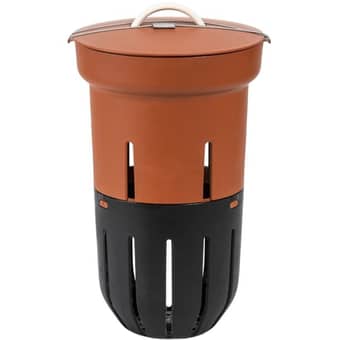
In-Ground Wormery
12-litre composting zone
€32.38
-12%
Fast and odourless, compost worms eat your waste and turn it into worm casting for your plants.
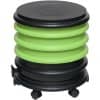
From 2 to 4 trays, with an optional planter.
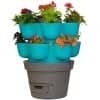
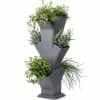
Up to 18 growing areas around a central wormery.
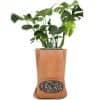
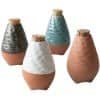
Terracotta with flower pot.
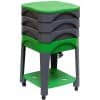
2 to 4 trays with a lower shelf.
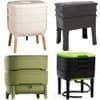
Trays you add over time, for easy harvesting of vermicompost.
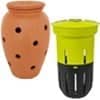
Turn your planters and flower beds into a wormery: WORMacotta, In-Ground.
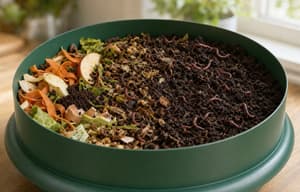 Practical guide
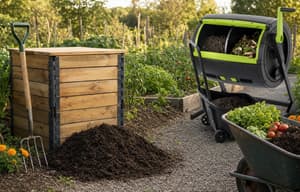
From the kitchen to the garden, your compost becomes simple, quick, and effective for everyone.
 Practical guide
 Practical guide
Live animals (worms and bait) and products to feed and look after pets and farm animals.
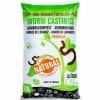
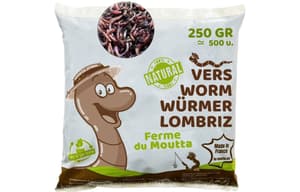
Eisenia compost worms for your wormery or composter.
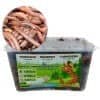
Ultra-fresh worms: Compost, Dendros and Canadian from 100 g up to 1 kg.

Natural solutions dedicated to the wellbeing of horses, ponies and donkeys.

Optimise the health and performance of your farm.
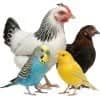
Mealworms, natural and nutritious supplements.
Enhance your home with our decorative items and care for your house in a natural and sustainable way.
Tend your garden in an eco-friendly and nature-conscious way, for healthy and lasting plantings.
EM-based products created to enrich soils, protect plants, support animal health, and make everyday well-being and maintenance easier.
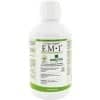
Contains a blend of 80 families of beneficial microorganisms.

Revitalise, purify and improve water quality in all your applications.
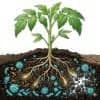
Stimulate soil microbial activity and plant growth.

Cleanse and maintain your environment naturally.

For the wellbeing and health of pets, livestock and horses.

Enrich your body care or dietary routines with essential enzymes.
 Practical guidePractical guide
Turn your planters and flower beds into a wormery: WORMacotta, In-Ground.
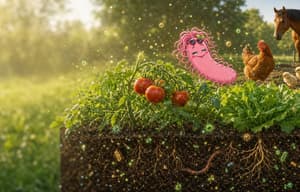
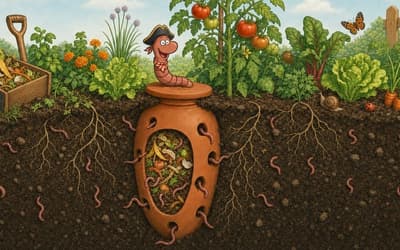
Burying wormeries in the ground provides a discreet and natural way to process your organic waste directly in your garden or vegetable patch. They turn your planters into genuine wormeries.
Positioned at the base of plants, these wormeries allow compost worms to turn kitchen waste into nutrients plants can immediately absorb. The produced vermicompost and liquid spread naturally through the soil, improving soil structure, stimulating microbial life, and encouraging healthy, strong plant growth.


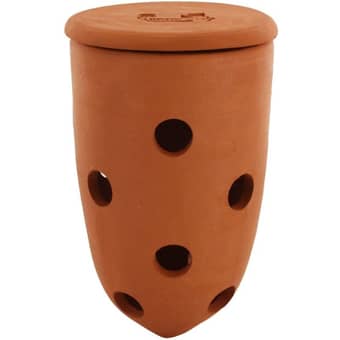
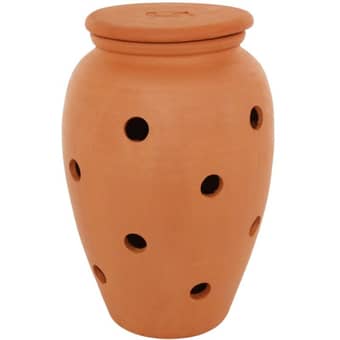
Simple to use, they also turn your planters and grow boxes into real, integrated vermicomposting systems. This ongoing fertilisation method limits the need for chemical fertilisers and watering, while considerably reducing your household waste.
Eco-friendly, resilient and self-sufficient, buried wormeries provide an ideal solution for a vibrant, productive garden that respects the ecosystem.
 Choosing your model
An in-ground wormery works differently from tray or continuous-flow models: set directly into the ground, it lets the worms feed the surrounding soil with no harvesting required. This guide explains how it works, how to install it properly, and which kinds of garden or planter it suits.
 Going further
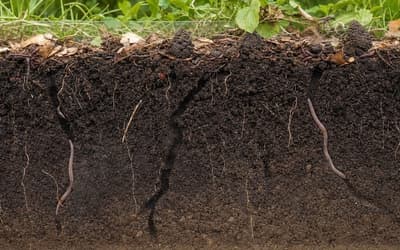
Earthworms are becoming scarce in gardens polluted by chemicals, yet they play an essential role in soil fertility. This guide sets out three simple methods for reintroducing them for the long term: an existing outdoor composter, a home-made composting point, or a wormery buried in the ground.
 Going further
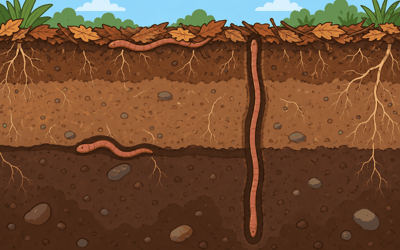
Earthworms play a discreet but essential role in soil health: they aerate it, enrich it with humus and support underground biodiversity. This guide presents the three ecological groups of worms (epigeic, endogeic, anecic) and explains why only compost worms, such as Eisenia, are suited to life in a wormery.


 France
 Belgium
 Switzerland
 Germany
 Austria
 United Kingdom
 Italy
 Spain
 Netherlands
 Portugal
 Sweden
 Finland
 Denmark
 Greece
 Poland
 Romania
 Czech Republic
 United States