

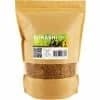


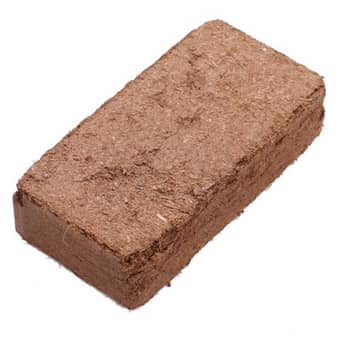
Coco fibre block 9L
5,0(28)
Additive-free substrate for gardening or animals, available singly or in a 9-pack
€3.00
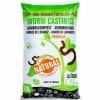
Fast and odourless, compost worms eat your waste and turn it into worm casting for your plants.
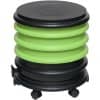
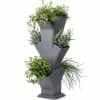
From 2 to 4 trays, with an optional planter.
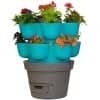
Up to 18 growing areas around a central wormery.
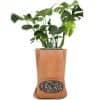
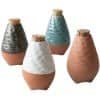
Terracotta with flower pot.
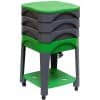
2 to 4 trays with a lower shelf.
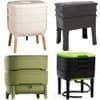
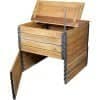
Trays you add over time, for easy harvesting of vermicompost.
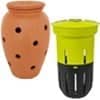
Turn your planters and flower beds into a wormery: WORMacotta, In-Ground.
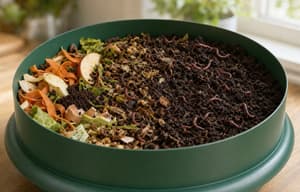 Practical guide
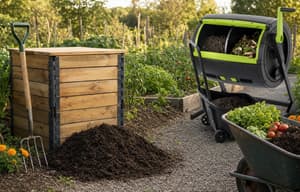
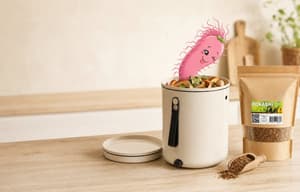
From the kitchen to the garden, your compost becomes simple, quick, and effective for everyone.
 Practical guide
 Practical guide
Live animals (worms and bait) and products to feed and look after pets and farm animals.
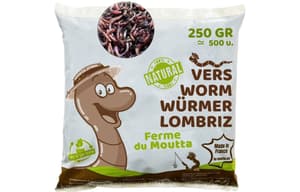
Eisenia compost worms for your wormery or composter.
Ultra-fresh worms: Compost, Dendros and Canadian from 100 g up to 1 kg.

Natural solutions dedicated to the wellbeing of horses, ponies and donkeys.

Optimise the health and performance of your farm.
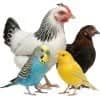
Mealworms, natural and nutritious supplements.
Enhance your home with our decorative items and care for your house in a natural and sustainable way.
Tend your garden in an eco-friendly and nature-conscious way, for healthy and lasting plantings.
EM-based products created to enrich soils, protect plants, support animal health, and make everyday well-being and maintenance easier.
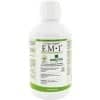
Contains a blend of 80 families of beneficial microorganisms.

Revitalise, purify and improve water quality in all your applications.

Stimulate soil microbial activity and plant growth.

Cleanse and maintain your environment naturally.

For the wellbeing and health of pets, livestock and horses.

Enrich your body care or dietary routines with essential enzymes.
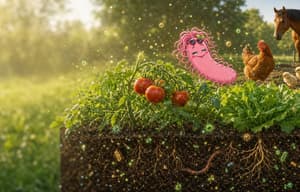 Practical guidePractical guide
The right start for your worms: bedding and starter substrates.
The starter and supply substrate is designed to help start your Wormery and ensure a healthy environment for your Compost worms.
Used from set up, it allows you to welcome your worms in a 100% natural substrate, with no chemicals, unlike many commercial soils which contain substances that can disturb or repel the worms.
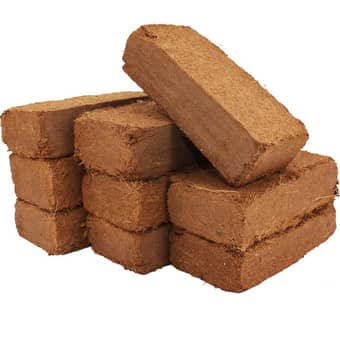
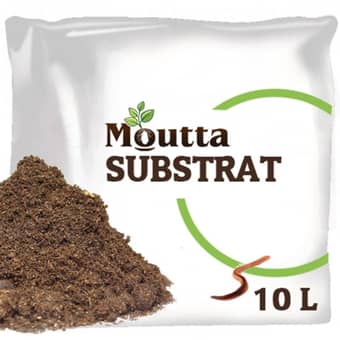
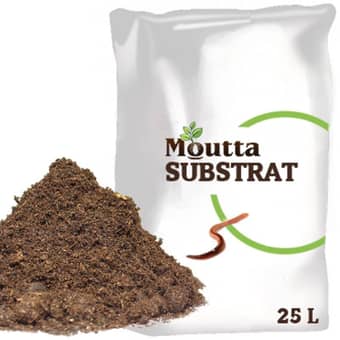
This substrate can also be used as a source of carbon-rich material each time organic waste is added. It replaces cardboard or shredded paper: for every volume of waste added, just add the same volume of substrate to maintain a good balance in your wormery.
Thanks to its specific composition, it helps to produce high-quality finished vermicompost, lighter and more aerated than the kind obtained with traditional carbon-rich materials.
The added substrate is therefore an ally for efficient, stable and durable composting, while ensuring the comfort and healthy activity of your compost worms.
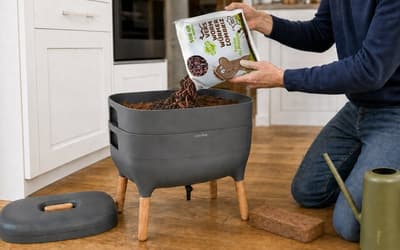 Getting started
Getting a wormery off to a good start takes a little care: the right location, properly prepared bedding and a first week without adding any waste set the tone for everything that follows. This guide covers each step of the set-up, from settling in your worms to the role of the moisture mat, including the most common beginner's mistake: overfeeding your wormery.
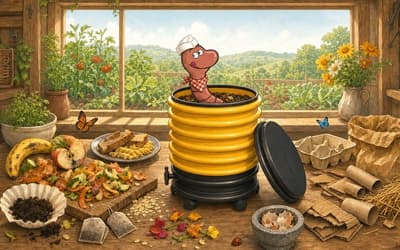 Daily care
Compost worms will accept a wide variety of waste, but not just anything: some foods help their digestion and reproduction, while others can upset the balance of the bin or cause bad smells. This guide explains what worms love, what is best avoided, a few good habits, and the essential role of carbon-rich materials.
 Solving a problem
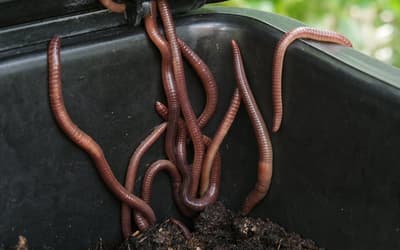
Eisenia worms normally have no tendency to escape, but it can happen in the first few days or when their environment is out of balance. This guide covers all the possible causes (noise, chlorinated water, forbidden food, heat, moisture or acidity) and the simple solution to make them stay.


 France
 Belgium
 Switzerland
 Germany
 Austria
 United Kingdom
 Italy
 Spain
 Netherlands
 Portugal
 Sweden
 Finland
 Denmark
 Greece
 Poland
 Romania
 Czech Republic
 United States