










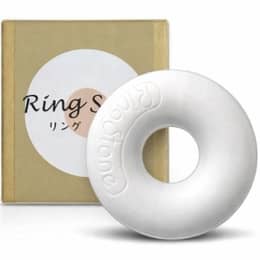
Ceramic EM ring | Size L
Revitalises water, easy attachment
€50.12
Fast and odourless, compost worms eat your waste and turn it into worm casting for your plants.

From 2 to 4 trays, with an optional planter.

Up to 18 growing areas around a central wormery.

Terracotta with flower pot.

2 to 4 trays with a lower shelf.

Trays you add over time, for easy harvesting of vermicompost.

Turn your planters and flower beds into a wormery: WORMacotta, In-Ground.
 Practical guide

From the kitchen to the garden, your compost becomes simple, quick, and effective for everyone.
 Practical guide
 Practical guide
Live animals (worms and bait) and products to feed and look after pets and farm animals.

Eisenia compost worms for your wormery or composter.

Ultra-fresh worms: Compost, Dendros and Canadian from 100 g up to 1 kg.

Natural solutions dedicated to the wellbeing of horses, ponies and donkeys.

Optimise the health and performance of your farm.

Mealworms, natural and nutritious supplements.
Enhance your home with our decorative items and care for your house in a natural and sustainable way.
Tend your garden in an eco-friendly and nature-conscious way, for healthy and lasting plantings.
EM-based products created to enrich soils, protect plants, support animal health, and make everyday well-being and maintenance easier.

Contains a blend of 80 families of beneficial microorganisms.

Revitalise, purify and improve water quality in all your applications.

Stimulate soil microbial activity and plant growth.

Cleanse and maintain your environment naturally.

For the wellbeing and health of pets, livestock and horses.

Enrich your body care or dietary routines with essential enzymes.
 Practical guidePractical guide

A bed that smells of wet dog, a litter tray that quickly takes on a whiff of ammonia, a rabbit hutch to clean every week: pets need regular upkeep. Many owners look for gentle products for this, without a strong chemical smell, that leave no harsh residues where the animal sleeps and licks itself.
Products based on effective microorganisms (EM) can do the job, with a few precautions specific to each species. Here is how to use them for cleaning, litter and feeding, and what you should not expect of them.
EM Clean is an EM-based cleaner that is diluted in water and needs no rinsing. For your pets' surroundings, the manufacturer's guidelines are as follows:
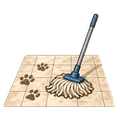 Floors and tiles where the animal walks: 50 ml per 10 litres of water.
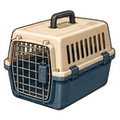 Kennels, cages, trays, pet carriers: 5 to 10% (50 to 100 ml per litre), sprayed on after mechanical cleaning, then wiped.
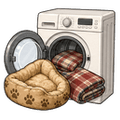 Cushions, throws and covers: 10 to 30 ml in the fabric softener compartment of the washing machine.
In every case, first remove hair, leftover food and dirt: the product works on a clean surface, not through a layer of grime. For food and water bowls, washing in hot water with washing-up liquid and rinsing well is still the simplest option.
EM Clean cleans and reduces odours, but it is not a disinfectant. If your vet asks you to disinfect bedding after a contagious illness, follow their protocol, and never mix EM Clean with bleach: it destroys the microorganisms. For using this product throughout the home, see our guide natural cleaning with EM Clean.
Emy's tipLet the bed, kennel or cage dry completely before putting your pet back in. Bedding that is still damp soon smells bad again, and your companion should not have to lie on a product that has not finished working.
Litter odours come mainly from urine, whose urea turns into ammonia on contact with bacteria. The manufacturer suggests regularly spraying a solution of EM-A Microferm diluted at 10 ml per litre of water on cat litter, kennel floors, aviaries or the bottom of rodent cages. The causes of odours and other useful steps are explained in our guide getting rid of bad odours with EM.
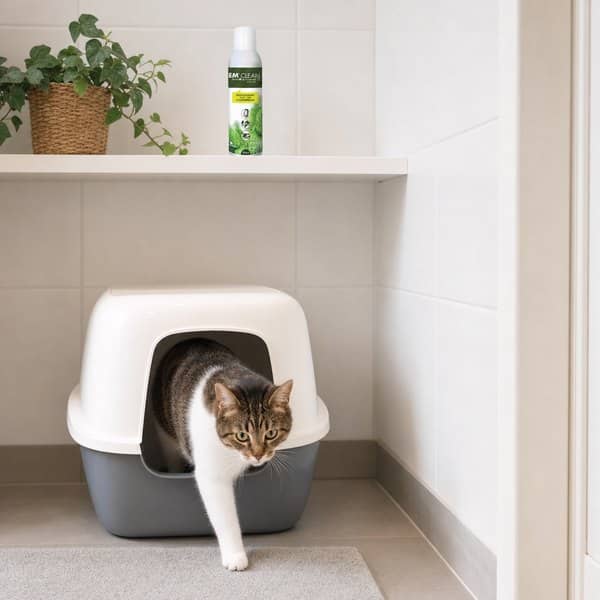
Remove droppings and clumps every day, and change the litter completely on a regular basis: no product can replace this. Then spray the diluted solution on the clean litter or the empty tray while the cat is out of the way, and leave to dry.
Cats are very attached to the smell of their tray. They also struggle to eliminate certain compounds found in essential oils, which they absorb through the skin, by breathing them in or by licking their fur. So choose unscented products, such as diluted Microferm or classic EM Clean, rather than the mint- or basil-scented deodoriser. A cat that starts going beside its tray should also be taken to the vet: it is often a sign of discomfort or pain.
Did you know?Cat faeces can transmit toxoplasmosis, which is harmless for most adults but best avoided during pregnancy. If you are pregnant, hand the litter tray over to someone else, or clean it wearing gloves and wash your hands thoroughly afterwards.
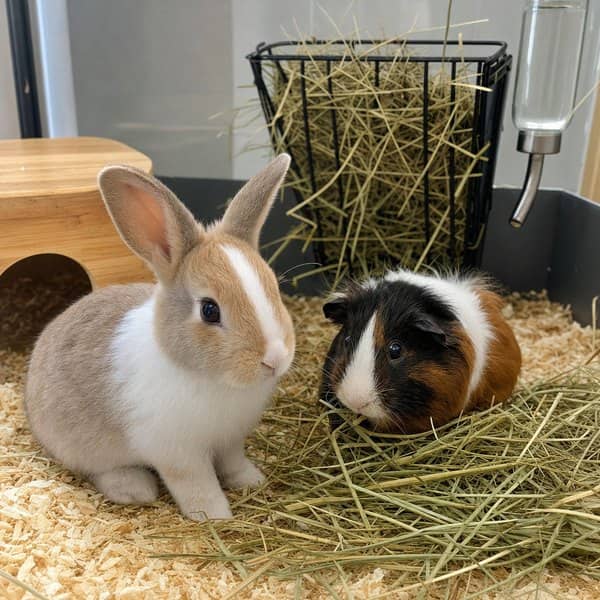
In a cage or enclosure, urine often collects in one corner. Clean that corner several times a week, renew the bedding, and lightly spray the diluted solution on the clean floor. Make sure there is good ventilation: ammonia builds up quickly in a small enclosed space.
Birds have airways that are extremely sensitive to anything sprayed into the air: droplets, fragrances, diffused essential oils. Never spray any product whatsoever in the room where they are. Take them out or move the cage, clean, let it dry and air the room before putting them back.
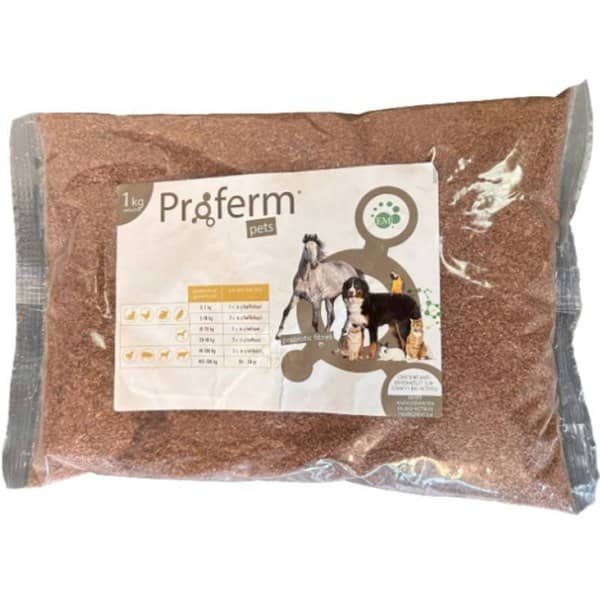
Proferm Pets is a complementary feed made from spelt bran fermented with EM, the same as the Proferm intended for horses, with doses adapted to small animals. The manufacturer's guidelines:
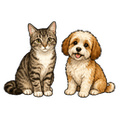 cat or small dog (5 to 10 kg): 2 teaspoons a day;
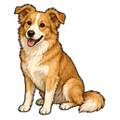 medium dog (10 to 20 kg): 1 tablespoon a day;
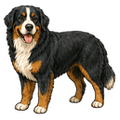 large dog (20 to 40 kg): 2 tablespoons a day;
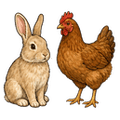 rabbit or hen: 1 teaspoon a day;
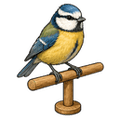 bird: 1 teaspoon a week.
It is mixed into the usual ration. Start with a small amount and increase over one to two weeks, especially for rabbits, whose digestion copes poorly with sudden changes. It complements a diet suited to the species, without replacing it.
Like any animal feed, Proferm Pets may not claim to prevent or treat any disease, and no independent study has assessed its effects. According to the manufacturer, fermentation makes the ration more palatable. We present the products in the same range, and what the law allows them to claim, in our guide EM-fermented feeds for horses and livestock.
 Symptoms go to the vet first. Diarrhoea, vomiting, loss of appetite, itching, a strong smell from the skin or ears: these signs need a diagnosis, not an EM product.
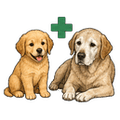 Ask your vet's advice before giving a supplement to a puppy or kitten, a pregnant female, an elderly animal or one under treatment, and for all exotic pets (ferrets, reptiles, small rodents).
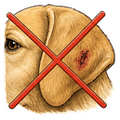 Nothing on wounds, eyes or ears. EM solutions are for cleaning the animal's surroundings, not for treating it.
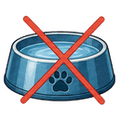 Nothing to drink. Never pour EM-1, Microferm or EM Clean into drinking water or the food bowl: they are not foods.
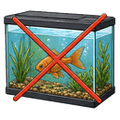 Aquariums and terrariums: these are fragile environments, and we know of no reliable dose. Do not use EM without a specialist's advice.
Key pointsFor your pets, EM is above all for looking after their surroundings: bedding, cage, litter. Their health is a matter for the vet.
Our EM hygiene products are formulated for humans. EM toothpasteiko Care contains, depending on the version, eucalyptus or fennel essential oil and menthol. An animal does not spit out its toothpaste: it swallows it. Only use a paste sold for animals, on your vet's advice.
The same goes for EM soap: a dog's skin does not have the same acidity as ours, and a shampoo made for humans can irritate it. Choose a product designed for the species.
Finally, if you practise bokashi or vermicomposting, keep buckets, activator bran and pre-compost out of reach: a dog drawn by the smell may rummage and swallow fermenting scraps. We cover these situations in our guides problems after burying bokashi and vermicomposting and pets.
With a dog, a cat or small pets, EM is mainly useful for cleaning: diluted EM Clean for floors, kennels, cages and bedding, Microferm at 10 ml per litre on litter, always after mechanical cleaning and on surfaces left to dry. Avoid fragrances for the cat's litter tray, never spray near birds and keep rodent cages well ventilated. Proferm Pets is a feed supplement to be dosed according to weight and introduced gradually, with no health promises. Human hygiene products are not suitable for animals, and any symptom warrants a visit to the vet.
Scan the code or visit mouttafarm.ie/guide: all our practical guides, with links to the products mentioned.


 France
 Belgium
 Switzerland
 Germany
 Austria
 United Kingdom
 Italy
 Spain
 Netherlands
 Portugal
 Sweden
 Finland
 Denmark
 Greece
 Poland
 Romania
 Czech Republic
 United States


