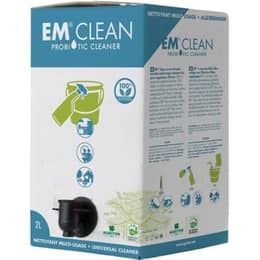
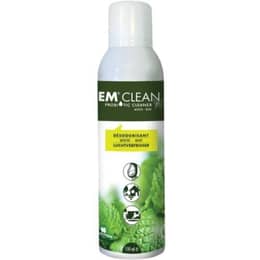
EM Clean, EM deodoriser | Mint
Naturally neutralises bad odours
€15.89
Fast and odourless, compost worms eat your waste and turn it into worm casting for your plants.

From 2 to 4 trays, with an optional planter.

Up to 18 growing areas around a central wormery.

Terracotta with flower pot.

2 to 4 trays with a lower shelf.

Trays you add over time, for easy harvesting of vermicompost.

Turn your planters and flower beds into a wormery: WORMacotta, In-Ground.
 Practical guide

From the kitchen to the garden, your compost becomes simple, quick, and effective for everyone.
 Practical guide
 Practical guide
Live animals (worms and bait) and products to feed and look after pets and farm animals.

Eisenia compost worms for your wormery or composter.

Ultra-fresh worms: Compost, Dendros and Canadian from 100 g up to 1 kg.

Natural solutions dedicated to the wellbeing of horses, ponies and donkeys.

Optimise the health and performance of your farm.

Mealworms, natural and nutritious supplements.
Enhance your home with our decorative items and care for your house in a natural and sustainable way.
Tend your garden in an eco-friendly and nature-conscious way, for healthy and lasting plantings.
EM-based products created to enrich soils, protect plants, support animal health, and make everyday well-being and maintenance easier.

Contains a blend of 80 families of beneficial microorganisms.

Revitalise, purify and improve water quality in all your applications.

Stimulate soil microbial activity and plant growth.

Cleanse and maintain your environment naturally.

For the wellbeing and health of pets, livestock and horses.

Enrich your body care or dietary routines with essential enzymes.
 Practical guidePractical guide

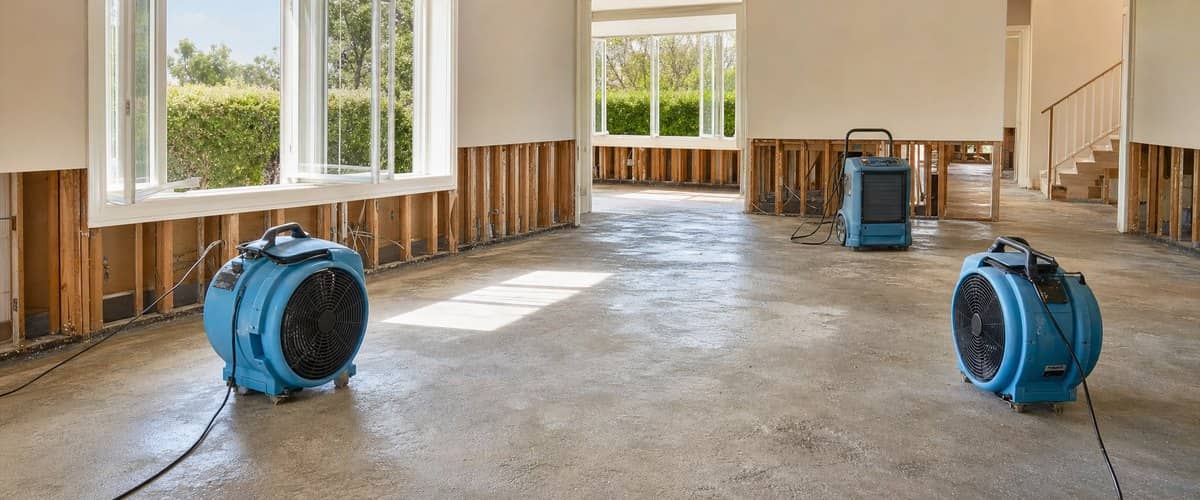
A cellar flooded after a storm, a leak that has soaked a floor, a river that has burst its banks and invaded the ground floor: after the water come the mud, the damp and, very quickly, a persistent smell of silt and mustiness. Effective microorganisms are sometimes used to reduce these odours during the clean-up.
They can help, but only in their proper place, which is right at the very end. Before them come safety, cleaning and, above all, drying. This guide takes you through it step by step, without promising anything EM cannot do.
 Electricity: do not switch the power back on in a flooded room until an electrician has checked the installation. Never touch any electrical appliance while standing in water.
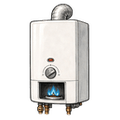 Gas and heating: have the boiler and any gas appliances that got wet checked. Never use a generator, a petrol-powered pump or a fuel-burning heater indoors: carbon monoxide is invisible, odourless and deadly.
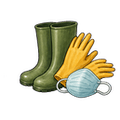 Contaminated water: floodwater is almost always dirty, and sometimes mixed with sewage or hydrocarbons. Wear boots, waterproof gloves, long clothing, goggles and a mask, and wash your hands often.
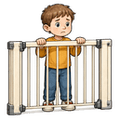 Vulnerable people: keep children away from the work area. If you have asthma or allergies, avoid doing the cleaning yourself.
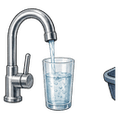 Tap water: mains water remains safe to use unless your local authority or water supplier advises otherwise. Water from a flooded private well should be considered unfit to drink until it has been tested.
Photograph the rooms, furniture and damaged items before taking them out, and keep the receipts. Report the damage to your insurer as soon as possible: notification deadlines depend on your policy and the rules in your country, so check your contract.
Remove standing water and then the mud as quickly as possible. Throw away all food that has been in contact with the water, including jars and damaged tins, as well as medicines and toiletries.
Porous materials that have been soaked generally cannot be saved: carpet, plasterboard, insulation, chipboard, mattresses, cushions, soft toys, books. They stay damp deep inside and become breeding grounds for mould. Hard surfaces, on the other hand, can be cleaned: tiles, concrete, metal, glass, plastic, solid wood.
Wash them with clean hot water and an all-purpose cleaner, scrubbing with a brush, then rinse. If the water was mixed with sewage, or for items that go in the mouth (crockery, toys), follow the disinfection advice given by your local authority or public health services. EM does not replace this step.
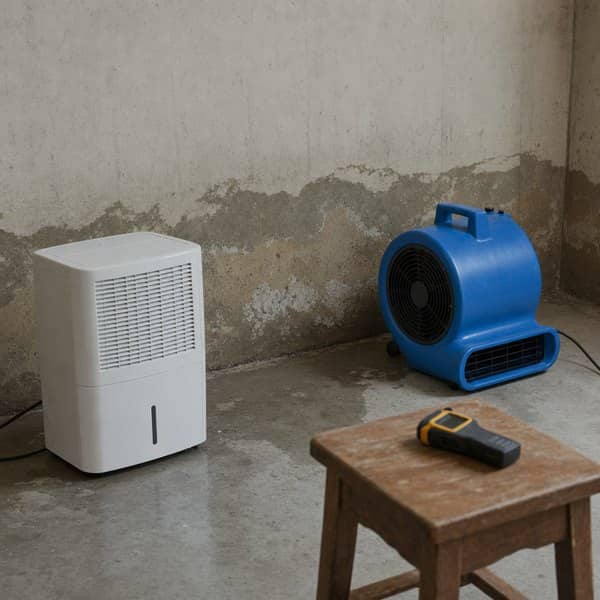
This is the crucial step. Mould takes hold when materials stay wet: ideally, dry them out within 48 hours. Open everything wide, create draughts, use fans and a dehumidifier. A small, inexpensive hygrometer lets you monitor the air humidity: aim for below 50 to 60%.
Key pointsAfter a flood, the order matters: safety, removal, sorting, cleaning, drying. EM only comes in at the end, for odours, and never in place of any of these steps.
Once the mud has gone and the surfaces have been washed, a muddy smell may linger in walls, bare floors or corners. This is where EM can be useful, by steering the breakdown of the last organic residues towards fermentation rather than putrefaction.
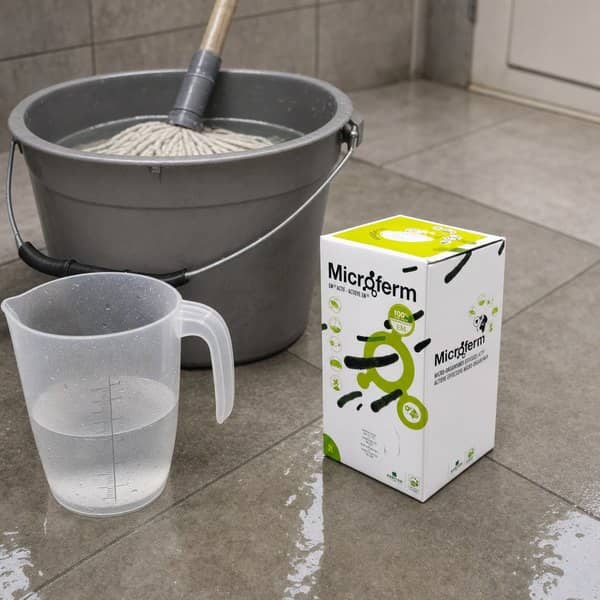
The manufacturer recommends diluting Microferm EM-A Active Solution at between 1 and 10%: in practice, about 1 litre in a watering can holding 10 to 15 litres of non-chlorinated water. Spray it on the surfaces the water reached, after cleaning, and repeat as often as necessary. As with all uses of EM, it is better to apply more often than to increase the dose.
To wash hard surfaces during the clean-up, you can also use EM Clean multi-purpose cleaner, at the dilutions given in our guide Natural cleaning with EM Clean.
Emy's tipOpen doors and windows for a good hour after each spraying. Circulating air carries away the moisture you have just added, and there is nothing to be gained by shutting up a damp room.
Let's be honest: the use of EM after a flood is based mainly on users' experience and the manufacturer's advice. No independent study has measured its effect in a flood-damaged home. EM does not make a home sanitary, does not replace disinfection when it is needed, and does not get rid of mould. If the smell persists despite thorough drying, look for material that is still damp or hidden mould. For everyday odours, see also our guide Banishing bad odours with EM.
Despite all your efforts, mould may appear in the following weeks. The signs: a musty, earthy or cellar-like smell, black, green or white patches, wallpaper that bubbles or peels.
Mould can cause or worsen coughs, irritation, allergies and asthma. If you have symptoms, see your doctor.
Did you know?A musty smell is often the first sign of invisible mould, hidden behind furniture, under floor coverings or in wall linings. Your nose detects the problem long before your eyes do.

After a flood or water damage, the priorities are safety, insurance, removing the water and mud, sorting porous materials, cleaning and, above all, drying quickly, ideally within 48 hours. EM only comes in at the end: one litre of Microferm in a 10 to 15 litre watering can, in fine, repeated sprayings on cleaned surfaces, to reduce muddy odours, never straight after bleach. EM does not make a home sanitary and does not treat mould: beyond about 1 m² of mould, call in a professional.
Scan the code or visit mouttafarm.ie/guide: all our practical guides, with links to the products mentioned.


 France
 Belgium
 Switzerland
 Germany
 Austria
 United Kingdom
 Italy
 Spain
 Netherlands
 Portugal
 Sweden
 Finland
 Denmark
 Greece
 Poland
 Romania
 Czech Republic
 United States