
Best Seller
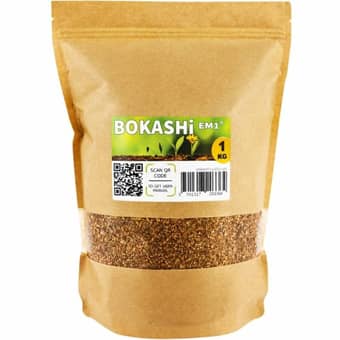
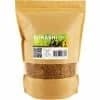
Bokashi EM compost activator | 1 kg bag
4,9(22)
Individually or in sets of 2 or 3 bags
€8.15
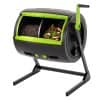
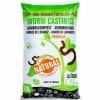
Fast and odourless, compost worms eat your waste and turn it into worm casting for your plants.
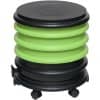
From 2 to 4 trays, with an optional planter.
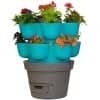
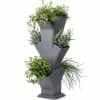
Up to 18 growing areas around a central wormery.
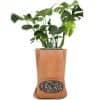
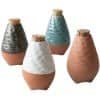
Terracotta with flower pot.
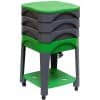
2 to 4 trays with a lower shelf.
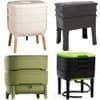
Trays you add over time, for easy harvesting of vermicompost.
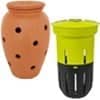
Turn your planters and flower beds into a wormery: WORMacotta, In-Ground.
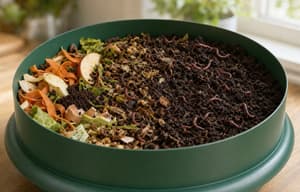 Practical guide
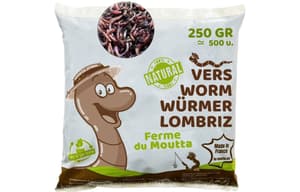
From the kitchen to the garden, your compost becomes simple, quick, and effective for everyone.
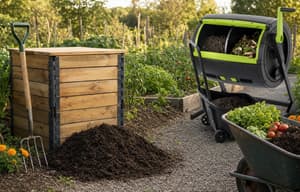 Practical guide
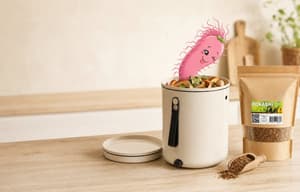 Practical guide
Live animals (worms and bait) and products to feed and look after pets and farm animals.
Eisenia compost worms for your wormery or composter.
Ultra-fresh worms: Compost, Dendros and Canadian from 100 g up to 1 kg.

Natural solutions dedicated to the wellbeing of horses, ponies and donkeys.

Optimise the health and performance of your farm.
Mealworms, natural and nutritious supplements.
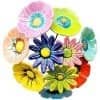
Enhance your home with our decorative items and care for your house in a natural and sustainable way.
Tend your garden in an eco-friendly and nature-conscious way, for healthy and lasting plantings.
EM-based products created to enrich soils, protect plants, support animal health, and make everyday well-being and maintenance easier.
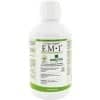
Contains a blend of 80 families of beneficial microorganisms.
Revitalise, purify and improve water quality in all your applications.
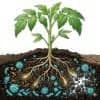
Stimulate soil microbial activity and plant growth.
Cleanse and maintain your environment naturally.
For the wellbeing and health of pets, livestock and horses.

Enrich your body care or dietary routines with essential enzymes.
 Practical guidePractical guide
The essential activator for your Bokashi bin, made on the farm.
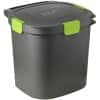
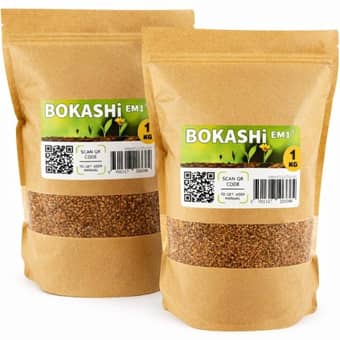
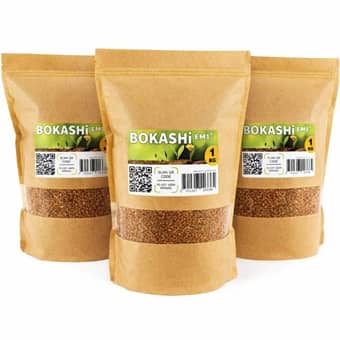
The Bokashi activator or starter is the essential element for the proper operation of your Bokashi bucket. Handcrafted by Moutta Farm, it enables you to start and maintain the fermentation process of food scraps thanks to the action of effective microorganisms (EM).
Made from carefully selected bran inoculated with official EM-1 from Professor Teruo Higa, the distinguished inventor of bokashi, this activator promotes rapid, odourless, and perfectly controlled fermentation. It enables you to process a wide range of organic waste, including cooked foods, meat, fish, or dairy products, which are usually excluded from classic composting.
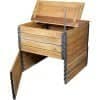
Can be used in an outdoor composter to activate compost and limit unpleasant odours. You can also develop the bacteria in your soil for your plants by sprinkling it on the surface.
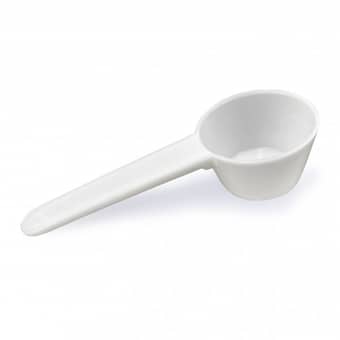
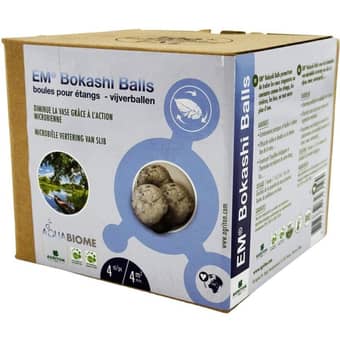
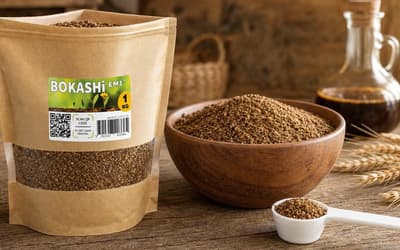 Understanding bokashi
Bokashi bran is wheat bran fermented with effective micro-organisms that kick-starts fermentation in the bucket. What it contains, why it is essential, the right dose, how to tell whether bran is in good condition and how to store it, and whether to buy or make it.
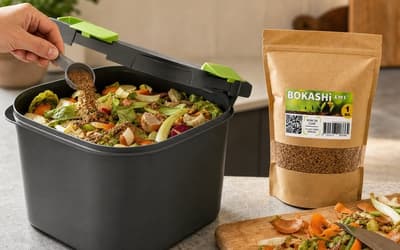 Understanding bokashi
Equipment, chopping your waste, first layer, bran dose, pressing down, how often to add, draining the liquid, final layer and then two weeks of rest: the complete guide to your first bokashi, with the beginner's mistakes to avoid.
 Going further
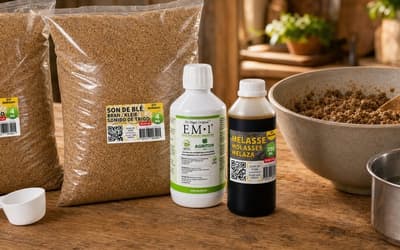
Our tried-and-tested recipe for making your own bokashi bran: 1 kg of wheat bran, 30 ml of EM-1, 30 ml of molasses and lukewarm non-chlorinated water, followed by three weeks of fermentation. Texture, signs of success, drying, storage and an EM-free variation.


 France
 Belgium
 Switzerland
 Germany
 Austria
 United Kingdom
 Italy
 Spain
 Netherlands
 Portugal
 Sweden
 Finland
 Denmark
 Greece
 Poland
 Romania
 Czech Republic
 United States