














[ Q/CB/305 ]
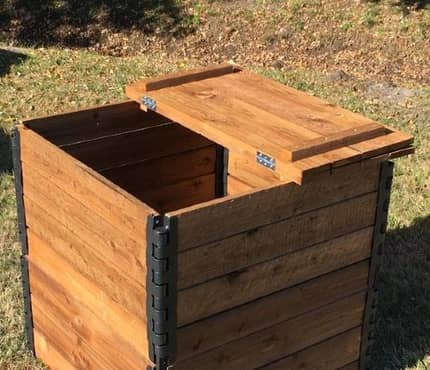
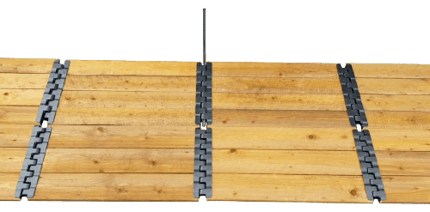
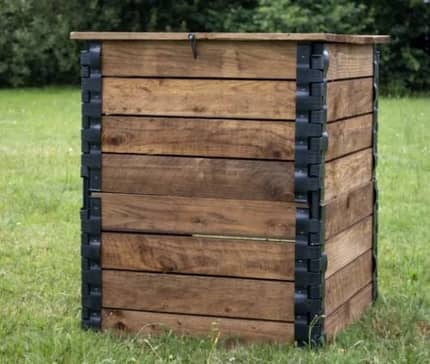
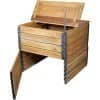
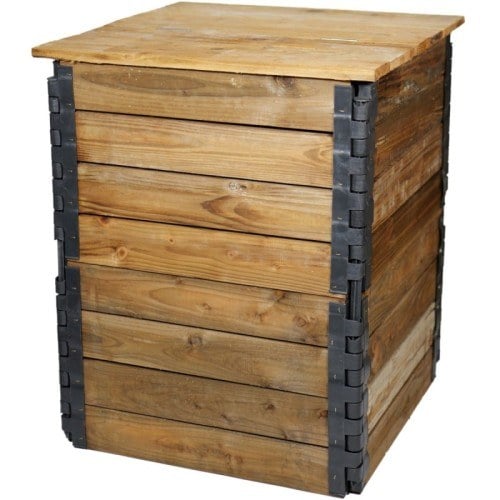
Compostys wooden composter
305 litres
See the description
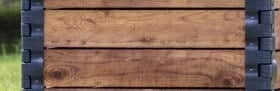
- 100% French-designed and eco-friendly with PEFC-certified spruce wood.
- Natural insulation to maintain the ideal temperature and speed up decomposition.
- Optimal ventilation to preserve biodiversity and enrich your garden.
- Produces nutrient-rich compost to improve plant health.
- Practical opening system for easy compost extraction.
SIZE 305 litres

305 litres
603 liters
142,47 €
In stock
Delivery to you between Monday 19 October and Tuesday 20 October, starting from 47,10 € for the country  Ireland. Calculate your delivery fees in your basket, we deliver to 41 countries.
Ireland. Calculate your delivery fees in your basket, we deliver to 41 countries.OPTIONS +5 available Bundle and Save


-
+
Pay in 2x, 3x or 4x with
Pay in instalments with
For this purchase of 142,47 €, you can pay in:
2 instalments by card
Due today72,47 €
Then 1 x per month71,23 €
Total amount due143,70 €
Including fees1,23 €
3 instalments by card
Due today49,95 €
Then 2 x per month47,49 €
Total amount due144,93 €
Including fees2,46 €
4 instalments by card
Due today39,32 €
Then 3 x per month35,61 €
Total amount due146,15 €
Including fees3,68 €
Borrowing money costs money and must be repaid. Check your ability to repay before committing.
How does it work?
- Add your items to the basket and place your order.
- At checkout, choose payment in instalments with Alma.
- Fill in the requested details on Alma’s secure page and you’re done.